
Defeating Depression

Defeating Depression

Children’s mental health appropriately took center stage after they endured years of reduced physical activity during the pandemic. A recent study about exercise’s positive effect on children and teens reaffirmed what most recreation professionals already know and see every day.

3 min read

The power of high-quality youth sports in our communities

Children’s mental health appropriately took center stage after they endured years of reduced physical activity during the pandemic. A recent study about exercise’s positive effect on children and teens reaffirmed what most recreation professionals already know and see every day. But it is nice to have studies to confirm what we think we see!


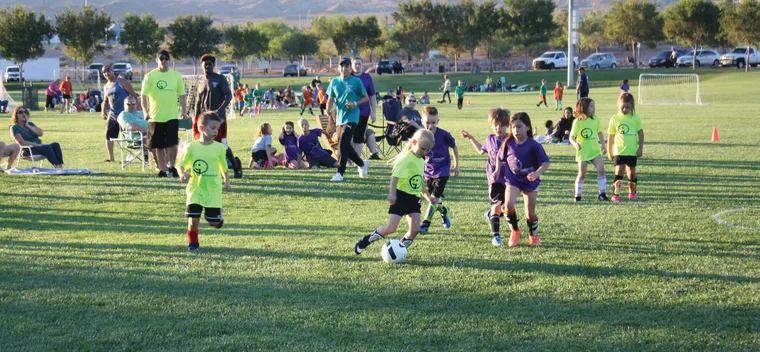
To find kids who have less stress and anxiety than their peers, just look to local sport fields and courts. Get children playing, and there will be a huge difference in their everyday attitudes and overall happiness. For me, what hits home most are the memories of my kids playing sports. For most practices and games, it seems there was always a conflict to manage on the way there. It could be school problems, issues with friends, or the daily stress that surrounds busy households.

Photo by Brett Wharton on Unsplash

I picked them up from school, and there normally wasn’t much banter. Sometimes, there was some complaining, but mostly, it was the typical question, “How was school?” and a one-word response, “Fine.” And then, inevitably, I would ask one too many follow-up questions that were met with silence for the rest of the ride.


But the trip home was anything but quiet. “Can you turn this song up?” one of them would ask, or there would be a rehashing of a positive, fun story about something that happened to my son, daughter, or one of their teammates at practice. At home, they ran inside, gave their mom a pleasant greeting, and asked about dinner. I used to tell my wife, “That’s a totally different person than the one I picked up at school!”

I didn’t think much about it then, but I can’t imagine the difference if sports weren’t a part of their lives and they went straight home from school. The stress would have doubled if I asked about homework or the possibility of doing some chores. With neighborhood-wide, outdoor playtime a thing of the past in most communities, thank goodness there are organized sports for kids. As good as other pursuits are for a child’s development, I don’t think kids can achieve the same benefits from playing an instrument or pursuing other talents.


The new research I referenced above—highlighted in a recent issue of the Journal of the American Academy of Child & Adolescent Psychiatry—found that, when children took part in structured exercise programs, their symptoms of depression and anxiety improved. Specifically, the biggest improvements occurred in programs lasting fewer than 12 weeks.

And because exercise and playing on teams are so important, it’s equally important to ensure these activities are offered using the highest standards, so all kids reap the benefits for both their physical and mental health. And youth sports administrators are the key to making that happen.