
A key ingredient in maximizing synthetic-turf field playability and safety
After nearly six decades on the market, synthetic-turf fields for recreation and athletic facilities are an integral part of being able to schedule and complete games. While the technology has evolved since the Houston Astros played its first season on synthetic turf in 1966, the application remains resource-intensive to install and replace, along with regular maintenance. These concerns are valid, but there’s a path to improving the lifespan of a synthetic-turf field, and it is all about paying attention to the depth of infill.
Infill is often a neglected consideration even though it accounts for up to 90 percent of material within a synthetic-turf system (not including the shock pad underlayment). Infill is literally the basis of the surface on which athletes compete and children play. So, let’s focus on the significance of infill during planning, design, construction, and, most importantly—maintenance and operation. Acknowledging how important infill depth is and taking action will help parks and recreation departments get more life out of synthetic fields, save money, and reduce the likelihood of player injuries.
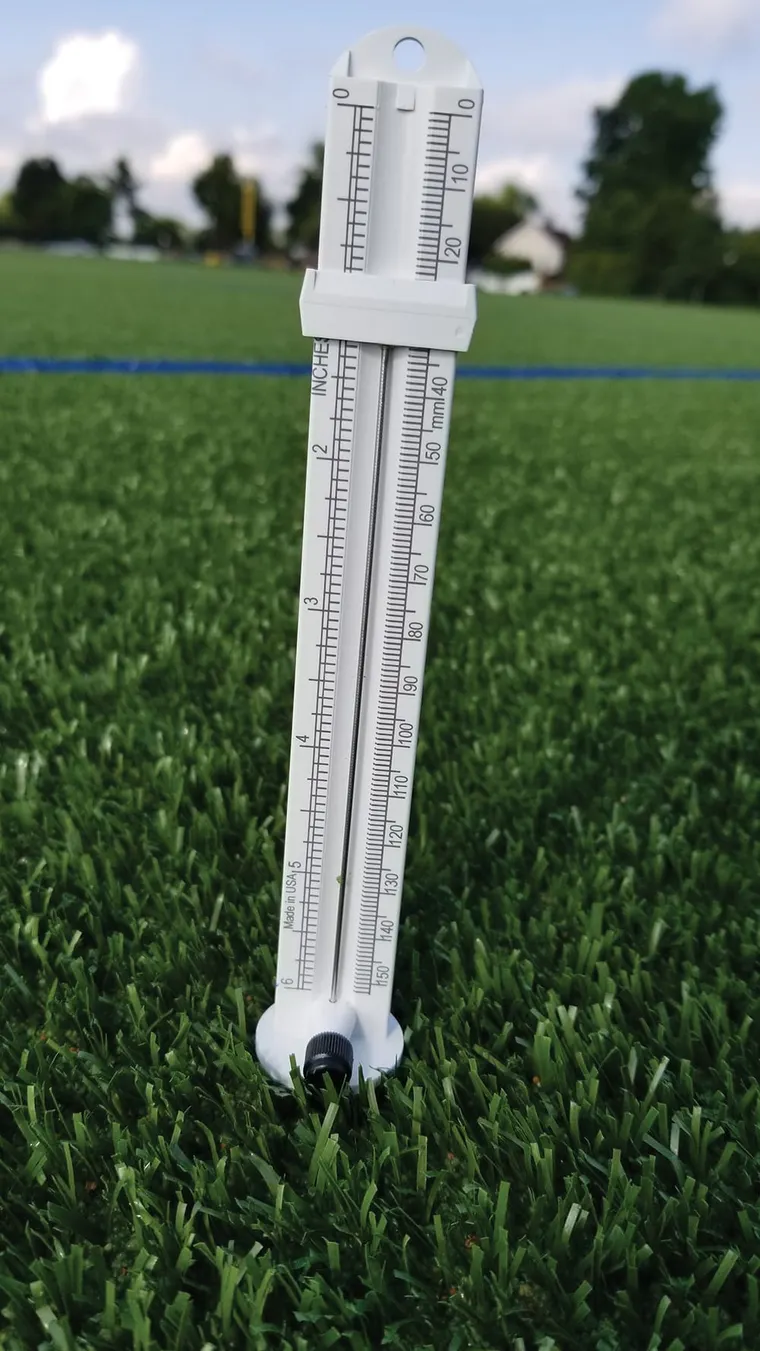
Perfecting infill depth begins with planning, design, and construction. However, if there is no follow-through on operations and maintenance, all that upfront effort will be for nothing. We know by heat-mapping fields infill depth varies significantly across the surface in both aged and newly installed facilities. Measuring infill depth as part of routine operations and maintenance tasks is necessary to ensure the performance and longevity of the field and is simply not being done.