CLASS DESCRIPTION
Class Duration and CEU Recommendation
Class Duration: 39 minutes, 15 seconds
Because CEU rules vary by accrediting organization, here are the standard calculations based on the stated duration (39:15 = 39.25 minutes):
- Contact hours: 39.25 ÷ 60 = 0.65 contact hours (rounded)
- IACET CEUs (1.0 CEU = 10 contact hours): 0.65 ÷ 10 = 0.065 CEUs → recommend reporting 0.07 CEUs (common rounding)
If your accreditor uses “CE credits” as contact hours, you could report 0.65 hours (or 0.7 if they require tenths).
This virtual learning session explores purpose-driven leadership in camp settings and how leaders can intentionally shape a healthy, high-performing camp culture. Participants examine what it means to lead with purpose—grounded in self-awareness, values, and a clear “why”—and how that purpose influences everyday leadership behaviors and decisions. The session presents five core leadership principles particularly relevant to camps: Purpose, People, Trust, Communication, and Growth. Learners will connect these principles to practical camp leadership situations such as supporting seasonal staff, building psychological safety, strengthening trust, communicating expectations, creating feedback loops, and developing a growth-minded team culture that benefits staff and campers.
Five Learning Objectives
By the end of this session, learners will be able to:
- Define purpose-driven leadership and describe how personal values and “why” influence leadership decisions in camp environments.
- Identify the five core principles of purpose-driven camp leadership (Purpose, People, Trust, Communication, Growth) and summarize what each looks like in practice.
- Explain how trust and psychological safety support staff performance and stability, especially during challenging periods.
- Apply communication best practices by distinguishing between communication and connection, and selecting strategies that promote clarity, feedback, and staff voice.
- Develop at least two growth-oriented actions a camp leader can take to support ongoing learning, mentoring, and staff development.
ABOUT THE PRESENTER
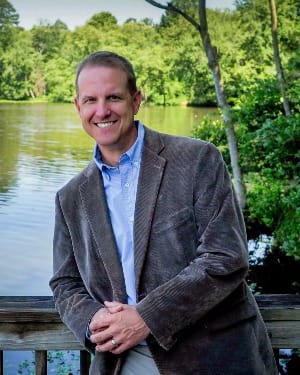
Dave Herpy is the Extension Organizational Development Coordinator for NC State Extension and author of Leading with Purpose: Achieving Your Highest Potential in Work and Life. With over 20 years of experience in parks and recreation, higher education, and leadership development, Dave empowers professionals to lead with clarity, build strong teams, and foster positive organizational cultures. He has served in leadership roles with local government, higher education, and nonprofit organizations, and brings an engaging, story-driven approach to every presentation.