
Penn State offers sustainability classes to build skills
By Margaret Pickoff
In many parts of the country, fall and spring typically deliver lots of rain. The fate of all that rainwater depends on the surface where the rain happens to fall. Porous or permeable surfaces like soil allow water to infiltrate an aquifer, where it’s stored as groundwater. But when rain falls on hard, impermeable surfaces—parking lots, roads, and sidewalks—it runs off and collects downhill at the lowest point. In the best-case scenario, the water runs into a municipal storm sewer, where it can be treated and re-used. But during a heavy storm, storm systems can become overwhelmed or clogged with debris and stop functioning, which can lead to dangerous flooding and pollution of waterways and drinking water.
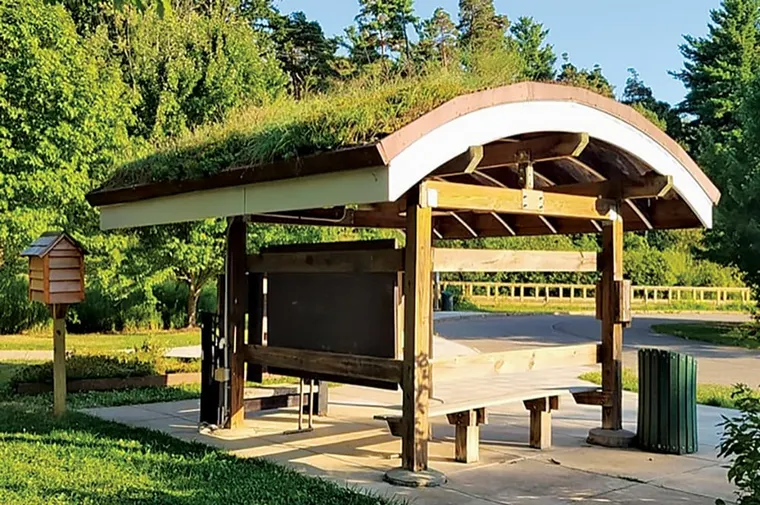
The way landscapes are designed and maintained has a big impact on mitigating many destructive stormwater scenarios. A new online course from Penn State Extension, Plant Identification and Usage: Plants for Green Infrastructure, focuses on plant selection, design, installation, and maintenance of green-infrastructure projects. These projects can include landscape features like rain gardens, green roofs, and riparian buffers, each of which is designed to reduce stormwater runoff, prevent flooding, and keep pollutants from entering bodies of water. Other elements of green infrastructure may include rain barrels, which collect and store rainwater from roof surfaces, and permeable pavers for sidewalks, driveways, and patios, which are made of materials that allow water to infiltrate the soil rather than run off.
Many municipalities have regulations in place regarding stormwater management, which may require or reward the use of green infrastructure in new development. In addition, parks, public institutions, and private-property owners are increasingly seeking to integrate green-infrastructure elements as part of a shift to more sustainable landscaping practices.