
CLASS DESCRIPTION
Class Duration & Estimated CEUs/CECs
· Class Duration: 56 minutes, 59 seconds
· Estimated CEUs/CECs: 0.10 CEUs/CECs (calculated using the standard conversion 1 CEUs/CECs = 10 contact hours; 56:59 = .9497 contact
hours, and .9497 ÷ 10 = 0.0950 CEUs/CECs rounded to the nearest hundredth)
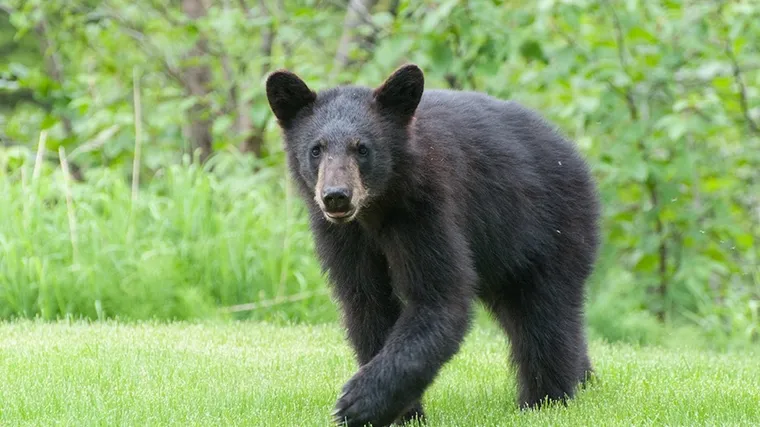
Human–wildlife conflicts often start with one simple thing: access to human food and trash. When wildlife (especially bears and other skilled “foragers” like raccoons, ravens, and rodents) learn that neighborhoods, parks, campgrounds, and trailheads offer easy meals, animals can become food-conditioned—leading to property damage, public safety concerns, environmental impacts, and, too often, relocation or euthanasia.
In this online course, you’ll explore practical, prevention-first approaches for reducing conflicts through education, policy, and infrastructure. You’ll learn why trash and food storage systems must be designed to be easy for people to use (so they’re used correctly every time) while remaining wildlife-resistant, durable, weather-ready, and ADA-compliant. The session also introduces how wildlife-resistant products are tested and certified (including the role of the Interagency Grizzly Bear Committee (IGBC)), and how to choose site-appropriate solutions based on setting, user behavior, service schedules, and capacity needs.
By the end, you’ll be prepared to integrate proven waste and food storage strategies into parks, public lands, and communities to support human safety, wildlife health, and environmental stewardship.
Learning Objectives
By the end of this course, participants will be able to:
- Explain how improper waste management and food storage can change wildlife behavior (including food-conditioning and habituation) and increase human–wildlife conflicts.
- Describe proactive, integrated strategies communities and parks can use to reduce conflicts, including public education, ordinances/policies, collaboration with wildlife agencies, and operational practices.
- Identify key design features of wildlife-resistant waste and food storage systems—such as secure/self-closing latching, gap control, durability, weather resistance, and usability—that protect people, wildlife, and the environment.
- Recognize common application needs and planning considerations across settings (e.g., campgrounds, trailheads, residential areas, beaches, resorts, etc.), including capacity, placement, servicing frequency, and user compliance.
- Summarize performance expectations and certification requirements (e.g., IGBC testing) and select site-appropriate, compliant solutions (including ADA considerations) to support long-term conflict reduction.
After successfully passing the Knowledge Check, participants will receive a follow-up email with their quiz results, class description, and learning objectives. These records can be used to follow the self-report/self-directed method of obtaining CEUs/CECs, in which students submit materials to their accrediting organization or education chair, and the approving body makes the final determination about awarding credits. For more details about how PRB+ University CEUs/CECs work, visit: https://www.prbplus.com/ceus/.
ABOUT THE PRESENTERS

Mimi Marler, the Director of Marketing at BarkPark, has always been passionate about animals and the vital role they play in our lives. This deep connection, nurtured from an early age, naturally led Mimi to a career in the parks and recreation industry that began in 2012. Today, this passion continues to drive her every day, fueling a commitment to creating meaningful, pet-friendly spaces that bring communities together.
As a proud representative for PlayCore and BarkPark, Mimi finds great joy in collaborating with communities nationwide to create high-quality, pet-friendly areas. Through years of practical experience, she has had the opportunity to work alongside top experts in the field, constantly learning and sharing knowledge that leads to innovative solutions for parks, dog parks, and public spaces.
At BarkPark, building strong partnerships is central to the mission. The company values contributions from industry leaders, and Mimi has been instrumental in nurturing these connections. A notable collaboration is with Harrison Forbes, a Celebrity Dog Expert, Trainer, and Author, whose insights significantly enhance the development of enriching experiences for pets and their owners.

Stephanie Devine, Senior Vice President of Marketing and Brand Strategy at PlayCore, is a seasoned marketing professional. With a career spanning two decades at PlayCore, she excels in leading cross-brand collaborations to meticulously oversee the execution of marketing and brand strategies. These encompass pivotal elements such as strategic planning, new product development, division brand programs, service line expansion, and marketing communication efforts, all aimed at fortifying brand positioning.
Since joining PlayCore in 2005, Stephanie has steadily ascended through various leadership roles within the organization. Together with her dedicated team, she champions the mission of uniting communities and generations by pioneering innovative products that foster healthy lifestyles and active living.
Stephanie's commitment to community extends to her role as an active Pet Therapy Volunteer at local hospitals and schools. She, along with her Golden Retriever, Duchess, visits children and adults, bringing comfort during the most stressful times. Her unwavering dedication to an active lifestyle exemplifies her passion for the values she upholds both personally and professionally.

With a passion for outdoor recreation and a deep respect for wildlife, we saw an opportunity to make a real difference in how people and animals coexist. Working closely with wildlife biologists from Sequoia and Yosemite National Parks, we developed the first successful bear-resistant enclosures—products that effectively kept animals out and helped reduce human-bear conflicts. What began as a collaboration rooted in conservation and innovation led to the transformation of our company from an aerospace parts supplier into BearSaver, now the world’s leading manufacturer of bear-resistant enclosures. Over the past 25 years, BearSaver has become a trusted name, committed to protecting wildlife and preserving natural experiences for generations to come.