
Tools to lead the charge to bring one to your community
By Alec Beck
The short history of skateparks is complicated. The first parks were retail, pay-to-play, concrete landscapes in the 1970s. A cascading insurance scare brought most of those down in the 1980s. Without many places to go, the remaining die-hard participants were forced to evolve their craft by finding artistic opportunities in an urban landscape. This led to the current adage: “If your town doesn’t have a skatepark, it is a skatepark.”
With very few places to observe skaters learning the art of clandestine access, the general public hardened its misconceptions. Growing contention and illegal use of public property made it difficult for skatepark advocates to garner local support for the creation of these recreational spaces.
Skateboarders aren’t the first group to deal with a lack of recreational access. For decades, kids played baseball in the streets, ignoring the plethora of “no stickball” signs. Eventually, baseball diamonds became a regular fixture of city-wide recreation plans, largely due to the dedicated advocacy of the sport’s governing bodies. But for a category of action sports that has no written rules, no coaches, and a self-governing ethos, the transition to societal acceptance is still a work in progress. To this day, it takes the dedication of individual enthusiasts and forward-thinking government agencies to turn the dreams of the rolling constituency into a concrete reality.
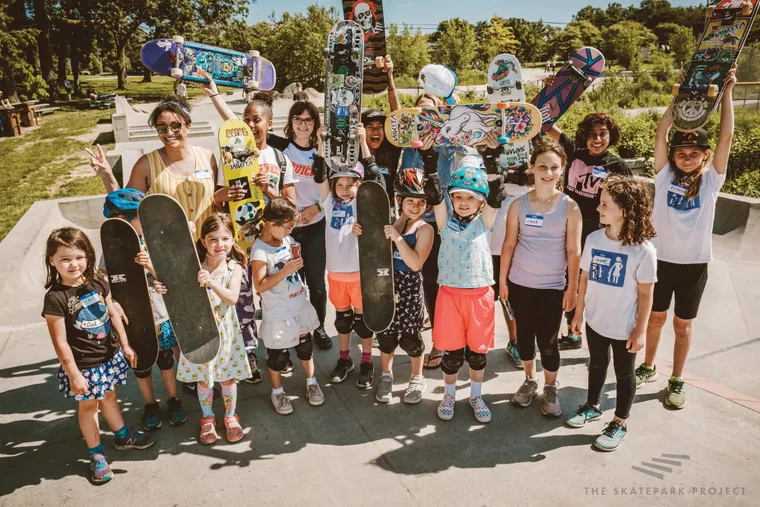
As action-sports athletes advocated for greater infrastructure support over the years and society further embraced contributions from the culture, the road to building a public skatepark within a community has only recently become more consistent. For the last 20 years, The Skatepark Project (TSP), founded by legendary skateboarder Tony Hawk, has been leading the charge to improve access to public skateparks. The organization has provided resources, guidance, and nearly 700 grants to communities and municipalities across the 50 states in support of creating safe and inclusive recreational spaces.