
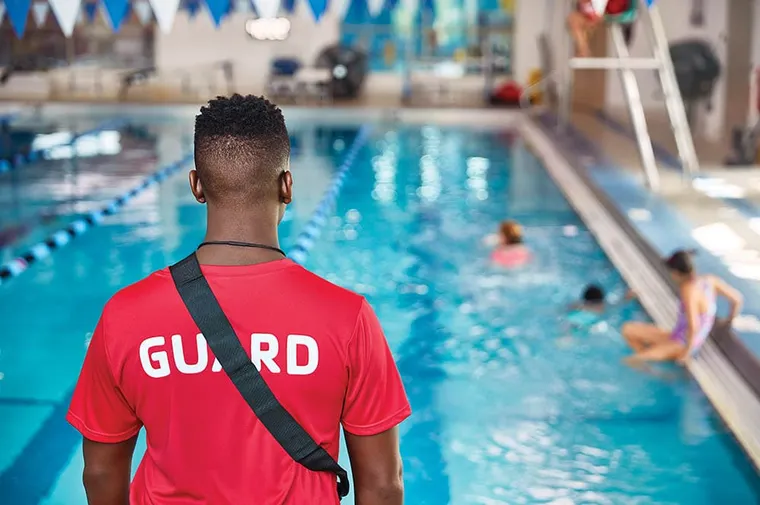
An ongoing issue is sparking creativity and experimentation in higher pay, training incentives, and new hiring practices
Throughout the last two years, many industries have struggled to recruit, hire, and retain workers. Aquatic departments haven’t been immune to these challenges, but unlike other employers, they faced a labor shortage before the pandemic.
In many departments, lifeguard positions are filled by high school and college students. The job’s pay, physical demands, and education opportunities have typically aligned with this age group’s expectations. Recently, though, changing cultural tides have shifted these employees’ focus to other career paths.
Stiffer Competition
“With technology now, gaming, different avenues for youth where they’re not in the sun, they’re not in the heat, some of them are kind of turning away from lifeguarding,” says Karen Jordan, Deputy Director of Recreation for Baltimore City Recreation and Parks in Maryland.
Ryan Caputo, Recreation Manager for the city of Myrtle Beach, notes the same shift among water-safety instructors. “It’s a tough job. I think it’s tough to get kids interested in that nowadays.”
The pandemic has done little to ease these hiring troubles.
Part of the usual lifeguard pipeline includes individuals who participate in programs like swimming lessons or competitive swim teams. Due to a series of closures, restrictions, and mandates, however, youth have had fewer opportunities to engage.
“If we have them in our programs, they have a relationship with the Y,” says Lindsay Mondick, Director of Innovative Priorities, Movement Engagement, and Aquatic Safety for YMCA of the USA. “The loss of interest is from those youth who used to see lifeguarding as a great opportunity for them.”
In addition, aquatic departments aren’t the only employers targeting these workers.
“The market for positions across any industry is also changing rapidly,” says Megann Lohmann, Recreation Manager for the city of Boulder, Colo. She notes that it’s difficult for municipalities to match the speed and dollar amount of private companies’ wage increases.
Still, competitors aren’t offering only higher pay—the jobs are generally easier and require less responsibility.
Mondick points to the breadth of skills and training lifeguards need to do their jobs. “[It’s] very different than working at Starbucks, when they’re thinking about those entry-level positions that are customer-facing,” she says.
She adds that border closures have also been of concern because the number of international workers available to fill positions has been limited. Many Y locations depend on these hires.