
Five ways that superintendents can help drive for net zero
By Jamie Graham
There are approximately 39,000 golfing landscapes globally. Because the sport is played outdoors, we all have a duty to be responsible custodians of the land.
Golf-course superintendents can help deliver a better future for golf, people, and the planet by driving for net zero. No sport can turn a blind eye to the issues around climate action. Many courses have been negatively affected by coastal erosion, floods, and droughts.
Sustainable golf practices can help deliver business benefits, such as time and cost savings. These can free up resources for other projects.
Here are five ways to help to drive for net zero.
1. Change mowing patterns.
While plenty of skill and experience can go into creating eye-catching mowing patterns, they may not be ideal when it comes to conserving resources.
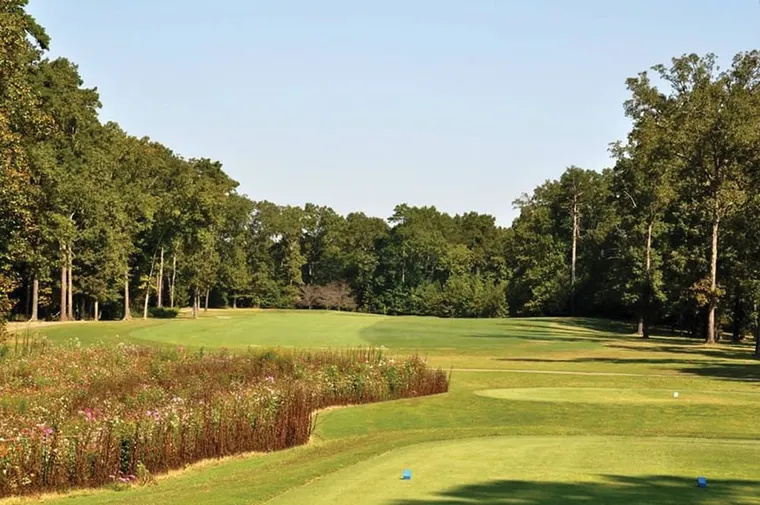
One example of this in action comes from The Bear Trace at Harrison Bay—an 18-hole Jack Nicklaus Signature course located in Harrison Bay State Park outside of Chattanooga, Tenn. Deciding to move from striping fairways to cutting in a more traditional pattern has brought many benefits.
By mowing one side of the fairway towards the green and the other towards the tee boxes, the course saved 312 hours annually. This practice freed up a significant amount of time for other projects around the course. The practice also saved 811 gallons of fuel and 18,641 pounds of point-source CO2 emissions.
There was also no impact on playability for golfers. The aesthetics of the course are important to those who play on it, but this new pattern made for a great trade-off for more sustainability and less damage to the environment.
Can you do something of a similar nature at your course?