
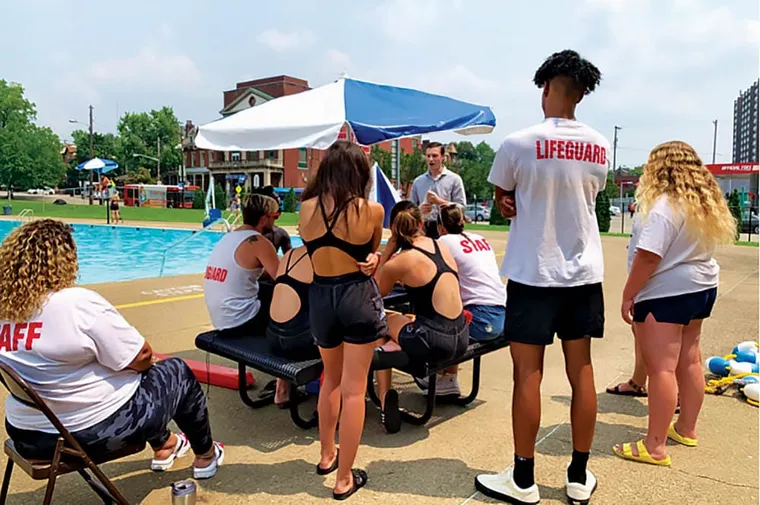
Arming employees with knowledge to help in a crisis
By Joshua Schneider
In the event of a medical emergency, who is the best person to respond? We’ve all watched the scenes from medical dramas—first responders rushing to the scene of an emergency with flashing lights and blaring sirens. Paramedics jumping out of an ambulance and racing to a patient’s side, providing lifesaving care while helpless bystanders look on. This image may seem familiar, but is this really what a response to a medical emergency looks like?
The reality is that first responders are often not the first to arrive on a scene. Bystanders and good Samaritans arrive well before an emergency responder and rarely hesitate to jump into action to assist in any way they can. Bystanders are not simply helpless onlookers; they are capable helpers who—when empowered with training and resources—can use basic skills to save lives. No people understand this better than those who work in parks and public spaces.
A Unique Role
Parks and recreation employees are dedicated professionals who keep public spaces safe. These spaces are the centerpieces of community life, giving the people who manage them extraordinary insight and reach into the residents and the communities. Beyond their physical presence, parks and recreation employees play a unique role in the lives of the city of Pittsburgh residents and have become intimately familiar with the issues facing the most vulnerable citizens, many of whom play in public spaces.