
Park leaders tackle an inevitable problem with proactive solutions
Many park-maintenance duties are of the standard variety. Repair needs surface after inclement weather, trails degrade from prolonged, heavy use, historic sites require more care with age, and the list goes on. Some wear and tear is to be expected. But in parks across the country, damage isn’t always a natural occurrence.
“I’ve only been in this position for two years, but [vandalism] has been an issue since I have been here,” says Jake Klingforth, Park and Building Superintendent for Wisconsin Rapids Parks and Recreation in Wisconsin.
Frequent targets are the skate park and aquatic center, which are housed within a larger recreation complex known as Witter Park. Graffiti has been common and often features language or images that are unsuitable. Klingforth has also seen graffiti on playgrounds alongside broken equipment and burned garbage cans.
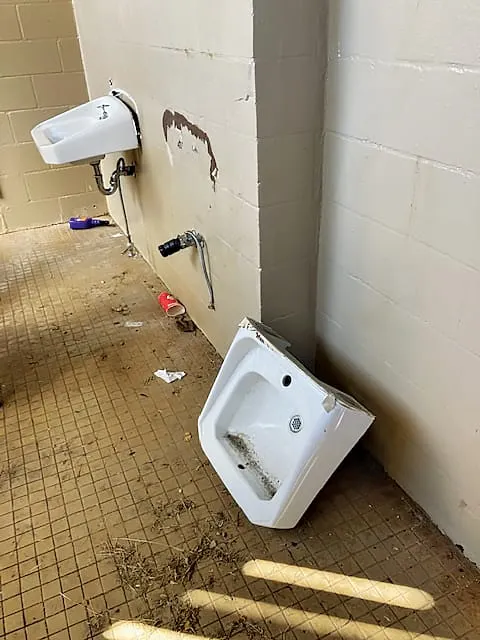
But perhaps park bathrooms have taken the most abuse—soap- and toilet-paper dispensers have been destroyed, toilets have been flooded, wall floodlights have been pulled down, bathroom partitions have been kicked in, and smoking policies have been violated. Additionally, nearby picnic tables have been damaged, defaced, and broken. The challenges are far and wide, but Klingforth isn’t alone.
In Brooklyn Park, Minn., larger, higher-use parks see more damage. But vandalism isn’t limited to the most popular locations.