
Keys to a successful aquatic operation
By George Deines
With the summer season upon us, aquatic operators across the country are preparing their facilities, training their team members, and doing their best not to pull their hair out! Seeing that facility operations require an immense amount of time and attention, it’s critical that operators focus on three primary areas to ensure success: safety, service, and supervision.
Safety
Success begins with safety at any aquatic facility. Unconscious incidents start with three primary causes:
- Lack of lifeguard recognition or response
- Lack of parental supervision
- Some type of facility issue.
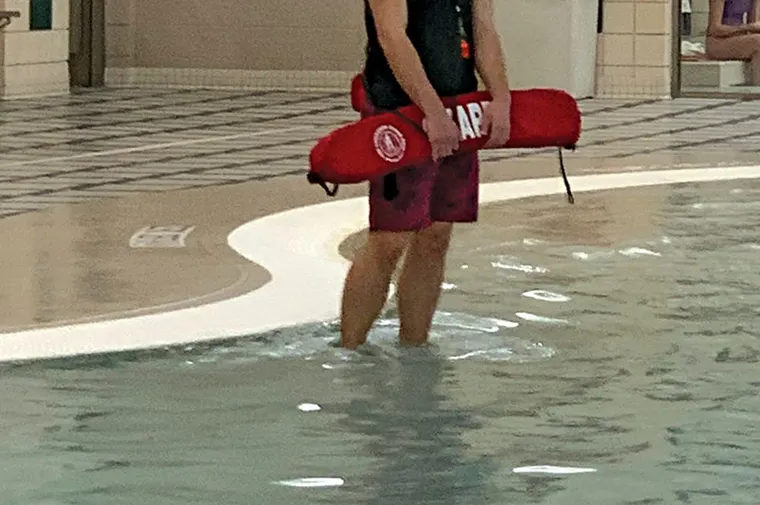
Operators must try to mitigate and even eliminate employee behaviors that lead to these incidents. Lifeguards must be trained to stay attentive at all times, limiting their interaction with guests while on the stand. They also must understand their zone of protection and what portion of the pool they have responsibility for guarding, as well as having the proper supervision from management, whose sole job should be to ensure lifeguards stay attentive, vigilant, and ready when a situation presents itself.
Operators must communicate the importance of parents always watching their children and being within reach of them. Proactively and strategically placing signs around the facility will help communicate this, while also having the lifeguards and managers on-duty taking action when they see children in the pool without any adult supervision.
Mitigation of risk-related issues rounds out the list of the primary areas of unconscious incidents. Incorrect lifeguard-stand locations, surface glare, and cloudy water are only a few items that operators need to address when training their team and running a facility.
Knowing these primary causes and incorporating them into lifeguard and supervisor training will help a team better identify high-risk guests, stay vigilant throughout the season, and take weekly in-services seriously.