
CLASS DESCRIPTION
Class duration and CEU estimate
- Duration: 56 minutes, 16 seconds
- Contact hours (instructional time): 56:16 ÷ 60 = 0.94 hours (approx.)
- CEU estimate (typical IACET model: 1 CEU = 10 contact hours): 0.94 ÷ 10 = 0.094 CEU → commonly rounded to 0.09–0.10 CEU
Suggested CEU to report: 0.1 CEU (Note: accrediting bodies vary—some use “contact hours” rather than IACET CEUs.)
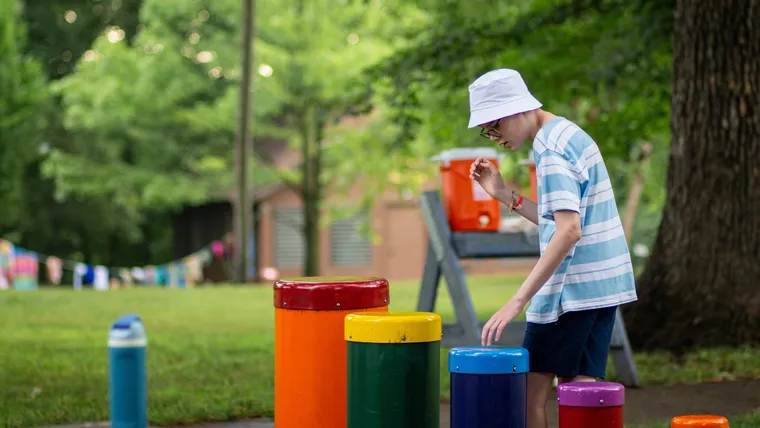
This online session explores how camps and outdoor learning programs can combine pollinator-garden education with hands-on musical play to spark curiosity, deepen nature connection, and broaden access to the arts. Participants learn how “sound gardens” (durable outdoor percussion instruments placed in natural spaces) can support discovery learning, inclusive participation, and self-directed engagement—especially during free-play periods with minimal staffing. The presenters discuss practical design considerations (instrument selection and tuning, placement, shade/heat concerns, installation options, and maintenance) and share real-world examples of how musical outdoor spaces can enhance camper experience, support regulation and decompression, and reinforce environmental themes like pollination.
Learning objectives
By the end of this session, learners will be able to:
- Explain how pollinator gardens can be used as an outdoor learning context to build curiosity about nature and the world around us.
- Describe at least three benefits of outdoor musical play for camps (e.g., inclusive participation, discovery learning, community-building, low-staffing free play).
- Identify key sound-garden planning considerations, including placement, accessibility/inclusion, shade/heat exposure, and user comfort.
- Differentiate between permanent and non-permanent installation approaches (e.g., in-ground/concrete installation vs. freestanding/movable bases) and select an approach based on site constraints.
- Select instrument and tuning strategies (including the use of pentatonic tuning) that support collaborative play and reduce “wrong-note” barriers for beginners.
ABOUT THE PRESENTERS

Alex Cook has spent the past two years helping camps create engaging outdoor musical spaces that foster fun and inclusivity. As Percussion Play’s Camps Specialist, she works closely with organizations to design experiences that bring campers together through the joy of music.
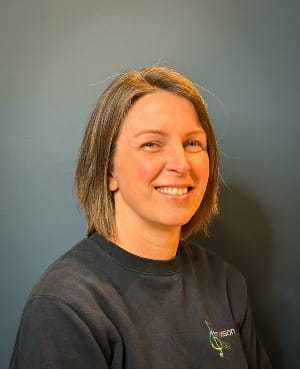
Since joining Percussion Play in 2018, Kate Mannerings has helped countless camps design outdoor musical spaces that spark creativity and connection. With extensive experience working with community teams and recreation leaders, she specializes in creating inclusive environments where campers of all ages can explore the joy of music.