
The importance of inclusivity in adventure park design
By Jeremie Bacon
After my daughter experienced a stroke in utero, her right side—from the top of her head to the tip of her big toe—was permanently impaired.
Fortunately, thanks to years of physical therapy and lots of grit, she’s recovered around 85-percent mobility on that side, and the rest of her body works with normal function. Today, my daughter has more stamina and determination than anyone I know. That said, my she still faces many hurdles daily from this lack of mobility.
I tell this story, not because she, our family, or I want or need sympathy. I tell it because it’s an undeniable truth that people—of all ages, backgrounds, and experiences—are differently abled. That doesn’t mean, however, that all people shouldn’t get to enjoy the same experiences.
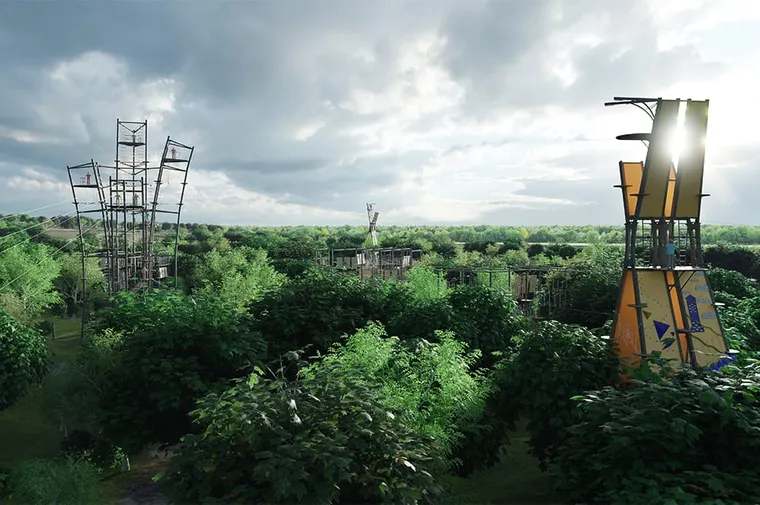
In co-founding and building The Forge: Lemont Quarries, a multi-faceted, high-ropes course and outdoor adventure park in Chicago, I prioritized the incorporation of inclusive elements and experiences into the park’s design.
The information and action steps outlined in this article should help to identify and implement strategies for creating more inclusive outdoor-recreation experiences.