With a mix of personality, culture, and data
Nationally recognized events can be a boon to cities large and small. Socially, they bring people together from far-flung locales and all walks of life. However, the most significant impacts are often financial; these happenings attract tourists who jumpstart a local economy by spending on hotels, food and beverage, parking, entry fees, and much more.
But if your community isn’t an obvious choice for a big festival or convention, or if your department has yet to succeed in attracting this type of event, where do you begin?
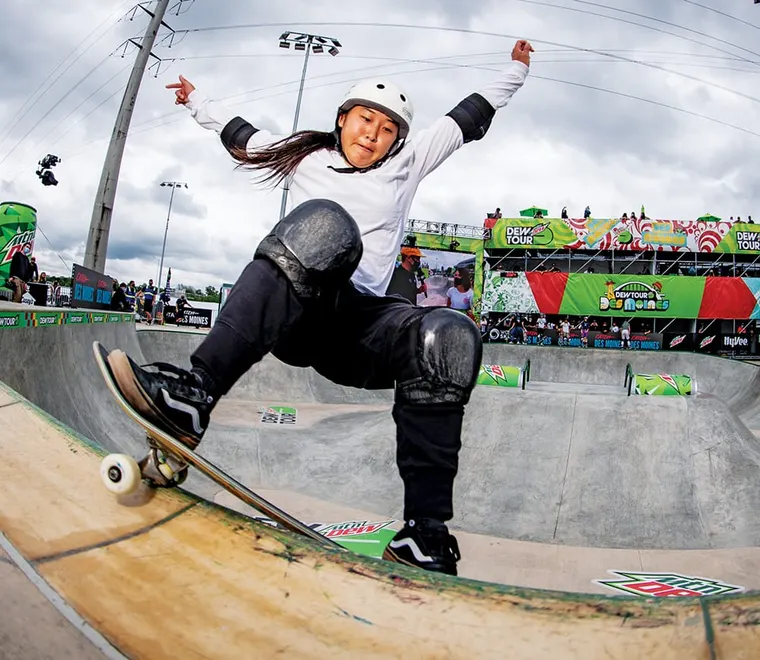
“It just takes some open-minded people from many different backgrounds to make things like this happen,” says Kami Rankin, Deputy Director for central Iowa’s Polk County Conservation Board. She played a key role in ensuring the success of Dew Tour, a major skateboarding event the city of Des Moines hosted in May 2021.
“We try not to focus on the fact that it’s all concrete because we’re in the business of wetlands, woodlands, prairie, things like that, but we are in the business of outdoor recreation, and skateboarding is outdoor recreation,” she says.
Be Proactive
In considering a wider scope of possible events, departments need to be proactive in their outreach. It’s rare that event organizers will stumble upon communities that are off the beaten path.
“With Dew Tour, and really with a lot of events, we do a lot of prospecting,” says Trina Flack, President of Sales for Catch Des Moines, the region’s visitors and convention bureau.
Dew Tour coincided with the opening of Lauridsen Skatepark, an 88,000-square-foot, world-class facility.
“About the time that the shovel was in the ground, we started having the conversations with USA Skateboarding and started to identify potential users or events for that space,” Flack says. In the case of Dew Tour, conversations began in late 2020, but in many instances, relationship-building with event organizers can take years.