
Streamlining facilities to operate more efficiently
By Hunki Yun
Recreational areas bring communities together. They are shared spaces in which to play, to connect with each other, and to take a moment to slow down.
While these sanctuaries are vital for the health of a community, they can be costly to maintain. However, the utilization of data and technology to make better decisions about the consumption of resources can improve the long-term sustainability of these spaces.
One promising technology is the ability to measure how residents utilize these spaces, allowing for the prioritization of resources to match the utilization. It is simply more efficient to maximize the deployment of expensive resources by focusing on the areas that impact users the most and undergo the most wear and tear.
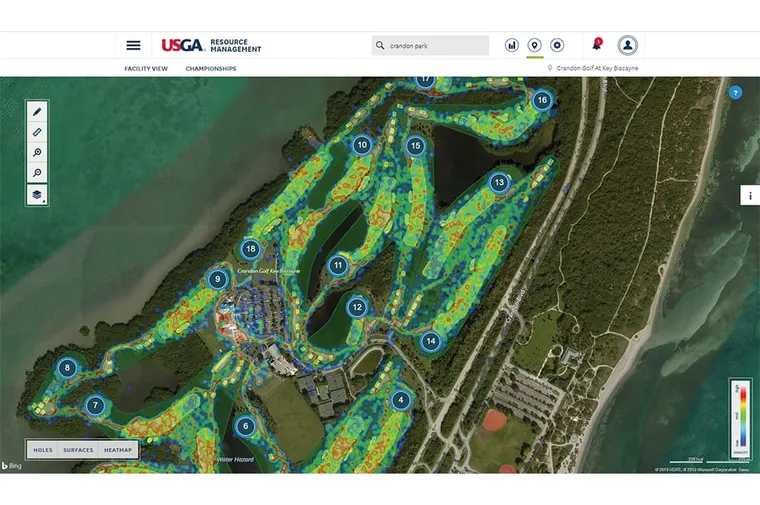
To help golf facilities operate more efficiently, the United States Golf Association has introduced a new service that fosters a data-based approach in making informed decisions about the maintenance of expensive turfgrass. The USGA GPS Service offers facility managers a precise heat map of the traffic patterns of golfers during a round, which they can then visualize in the USGA facility app. Municipalities such as Miami-Dade County have used the technology to reduce their use of expensive inputs, such as water and labor.
While the technology was conceived for golf courses, it can be used for any outdoor space to allocate resources, preserve green spaces, and enhance user experiences.