
The best recipe for special-needs programming
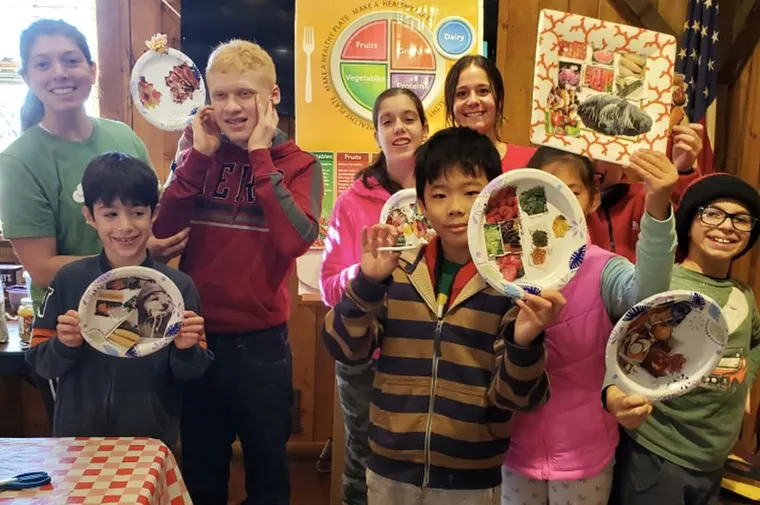
Eight children walk into a room after working off excess energy in the sensory garden and begin to wash their hands before preparing for the week’s recipe—loaded baked potatoes with vegetables—something they’ve never tried before. Each child is responsible for contributing to the recipe, whether pouring in an ingredient or taking a turn to mix. While the food cooks, they sit down and talk about the importance of vegetables—colors, vitamins, nutritional values for the body—and how the leftovers from tonight’s recipes will be used for tomorrow’s soup or composting. The food is finally ready, but only two kids decide to try it; the rest share their success with their parents.
This may seem like any ordinary cooking class, but this one is different; for the first time, the Ridgewood Parks & Recreation Department in New Jersey is hosting a program for children with special needs. Pairing with local tenants, HealthBarn USA, the life-skills program was created to teach these children the importance of hygiene, nutrition, a healthy lifestyle, and sustainability, while giving the children a chance to learn independence through cooking. The program has expanded to accommodate young adults (ages 17 to 23 years).
The educational profession as a whole is constantly looking to add STEM programs, Mommy and me classes, aerobics, and day trips for children, adults, and senior residents, but the special-needs community is greatly underserved. Many have adapted programs at one time or another, but how often are programs designed specifically for these kids? I have been lucky enough to work at two agencies that have offered programming for special-needs children, and for someone who does not have an educational background in special education or therapeutic recreation, it has been a challenge, but a rewarding one. So how does one plan for something he or she knows little about?