
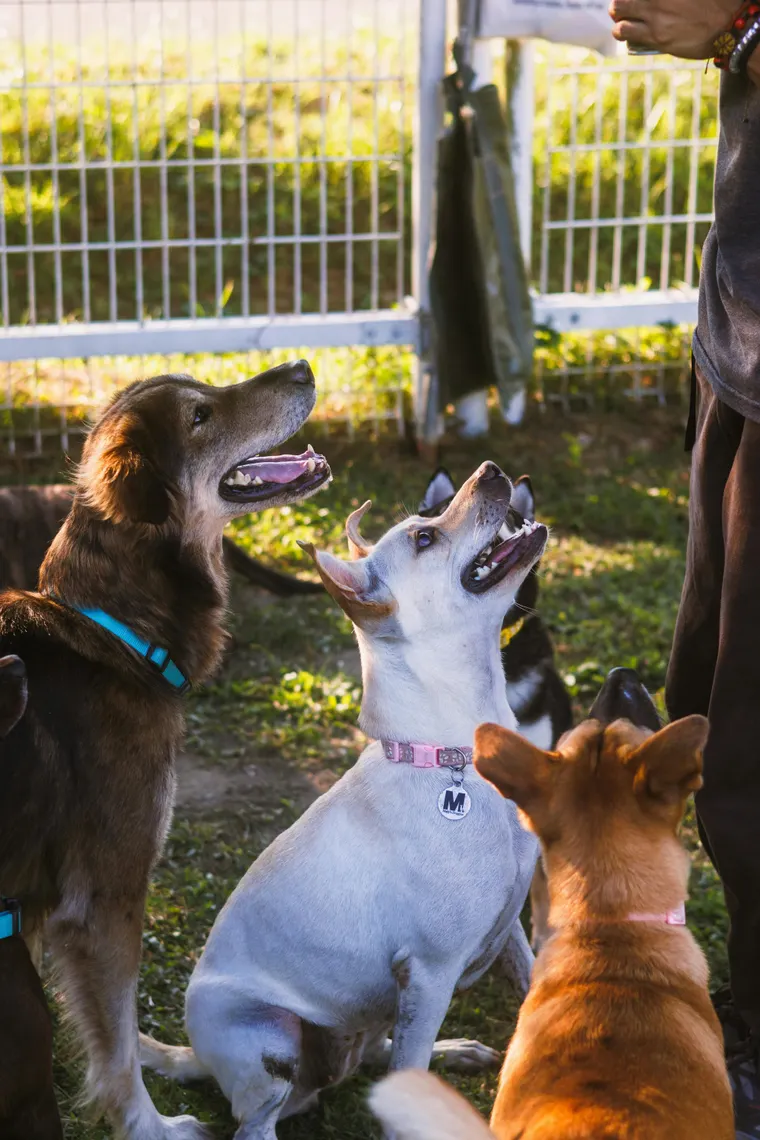

Creating dog parks that benefit communities
They offer opportunities for socialization for users of all ages.
They provide the chance to blow off steam and get some much-needed cardio.
They offer a way to make new friends in a safe environment.
Best of all, the very mention of them gets users’ tails wagging.
Dog parks, which first became prevalent in high-density urban areas, have spread across the nation, popping up in suburbs and even in rural areas. (Want a metric of how popular they are? There are apps to help dog owners locate them.)
And if parks and recreation leaders haven’t had requests for a dog park, just wait. It will happen.
There are two types of dog parks. Some are simply off-leash areas (without fencing) that may be part of larger parks or recreational areas. Coastal destinations, for example, may have dog-specific beaches.
More commonly, dog parks are fenced enclosures, and often, users are asked to abide by a set of rules (more on that later).