
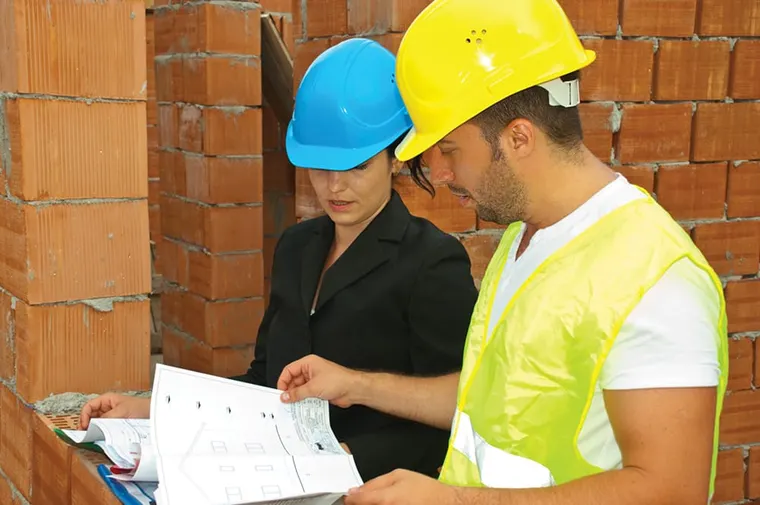
Build professionalism from the ground up
The National Park Service has approximately $315 million in deferred park maintenance in Pennsylvania.[1] The state’s parks and forest systems have estimated more than a $1-billion price tag for deferred maintenance/infrastructure needs across the Commonwealth.[2] Neither of these figures accounts for the additional needs of the 2,100+ county and local parks statewide. Pennsylvania is not facing this challenge alone; there is an increased usage of park, sport, and recreation facilities nationwide. COVID-19 may have changed social and economic certainties for the foreseeable future, but it has not stopped plants from growing, trash from piling up, equipment from rusting, or trails from eroding. Park-maintenance professionals are needed now more than ever, and there is an opportunity to implement more strategic approaches within daily operations. Below are important factors to consider in moving towards recovery and building resilience.
- Identify community needs vs. administrative wants.
Don’t stand still while awaiting the “final” answer on essential operations—focus on what the community needs first. Agencies owe it to the public to deliver value every day. Identify daily tasks and specific resources that are essential to maintain facilities.
- What must occur to prevent facilities from being damaged?
- What must occur to keep facilities safe and healthy for the public?
- What facilities are unable to operate due to lack of resources?
- What supporting data are utilized to make decisions, and how are the data being communicated to stakeholders?
Efficiency can be achieved with strategic thinking, conservative resource management, data-driven decision-making, and consistent communication.