
What does parks and rec engagement look like as communities recover from COVID-19?
Elbow bumps are replacing handshakes, and virtual yoga is replacing hot yoga—but are these temporary measures part of maintaining a flattened curve or a permanent societal shift in how we engage with one another in recreational programming and communities? As cities and counties across the nation begin to take the first, tentative steps toward reopening facilities and office doors, the pressure to keep citizens safe is just as fervid, maybe even more. This pressure means that, for parks and recreation leaders creating their fall activity strategies, the issue may not be encouraging citizens to show up, but it may be enabling participants to interact with one another and public equipment safely. In working with parks and rec experts across the country, I have observed six crucial changes to the citizen-engagement model for departments in a post-pandemic society.
More Education And Constant Safety Reminders
After months of staying safe at home, many citizens are hearing that the parks, trails, beaches, and pools are reopening, and there may be a false sense of security that the threat of virus contagion is minimal. Parks and rec leaders must offer continual education to reinforce the point that all Americans must still do their part to minimize the chance of a surging virus spike.
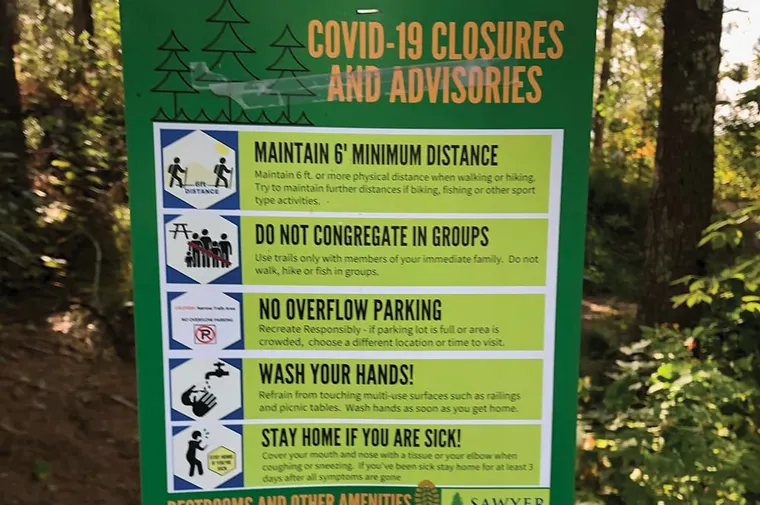
Department staff members must post health and safety messaging within facilities, parks, trails, and other public locations. Such messaging must encourage personal safety and implore visitors to stay home if they are experiencing symptoms or have directly encountered a COVID-19 patient. Parks and facilities are also likely to require the continued use of face masks and practicing social-distancing behaviors in some relevant group activities. In some of the most impacted communities, participants may even need to stop at a temperature station to validate they are not exhibiting fever symptoms before entering the premises.