
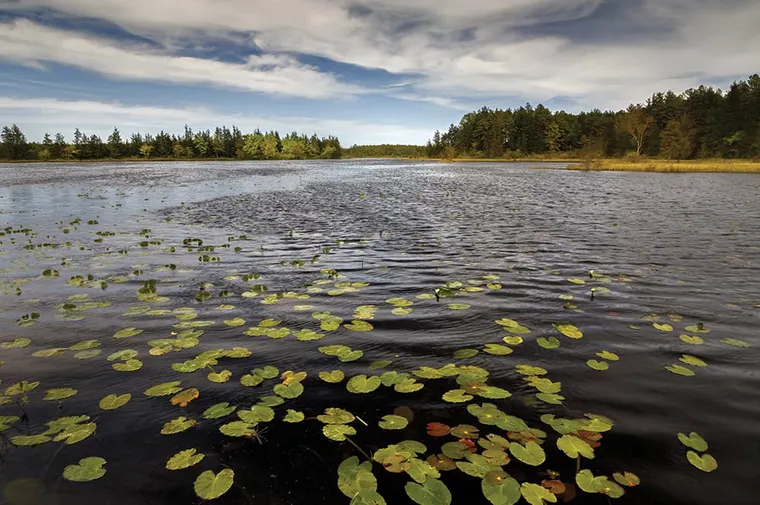
Park preserves for environmental protection and visitor enhancement
The preservation of unique, rare, and historic resources should be one of the most important goals of any recreation, park, and tourism agency at any level of government. Within the federal system, there is a variety of names for different natural resources that reflect the diversity of such managed lands. Titles include names such as National Preserves, National Monuments, National Historic Sites, and National Battlefields, along with a variety of National Parks.
Perhaps the most misunderstood of these different types of resource designations is the National Preserves. Such resources, by definition, are for the purpose of protecting fragile ecosystems. What makes preserves somewhat different from other protected, natural resources is that, in some cases, activities such as hunting, fishing, the extraction of natural resources, or the installation of selected utilities are allowed if they do not jeopardize the resource values. But, most importantly, preserves often serve as buffers to urban development.
The establishment of these special resources is significant. The famed park interpreter Freeman Tilden once described the value of preserves in any park system as “cultural treasures as well as places for the refreshment of mind and spirit.” Currently, there are 19 resources within the National Park Service with the designation of a National Preserve. This number is much smaller than most other park-system units, such as National Parks (63 units), National Monuments (87), and National Historic Sites (76). In addition to the specific types of Preserves, the concept also overlaps with other National Park System titles, such as National Parks and Preserves as well as the specifically defined Wilderness Areas. While most of the federal preserves are located in either the western states or Alaska, there are some located along the East Coast from Florida to New Jersey, and all come with specific types of geographic features, such as caves, deserts, tall prairie grass, artifacts, and historic characteristics.