
Parks & rec technology for this generation
Across the country, parks and recreation departments are facing a challenge that doesn’t always make headlines but touches the daily lives of millions: outdated technology that causes headaches for both staff and residents. For families, registering for a swim class or reserving a tennis court can feel harder than booking an overseas flight. For staff, hours are lost to manual phone calls, paperwork, and patchwork systems that don’t speak to one another.
At Rec, our first question to recreation and parks departments is always, “Does your current recreation technology allow parents to register their child for summer camp, on their phone, in under three minutes?” If the answer is no, the baseline problem is clear. In 2025, being mobile-first isn’t optional. It’s foundational. Yet too many departments still treat mobile access as an afterthought. From seniors booking fitness classes to busy parents juggling childcare, everyone relies on phones. Mobile-first design builds trust, speeds adoption, and removes friction.
The good news? Recreation departments don’t have to reinvent the wheel. By borrowing ideas from consumer apps that leaders already know and love—like Uber, Airbnb, and Amazon—departments can modernize their technology to reach more residents, empower staff, and bring recreation into the digital age.
In my work, I’ve witnessed firsthand how other industries utilize mobile-first approaches to make life simpler and more delightful for consumers. At Rec, we’re bringing that same level of thoughtfulness to public recreation. We’ve taken cues from companies like Airbnb and Amazon to reimagine how people connect with their local parks and programs. Residents should be able to browse a new pickleball court as easily as they would book a weekend getaway or register for a yoga class with the same ease as ordering groceries.
The Rec team has seen what works and what doesn’t for parks and recreation departments. The following are the organization’s top tips and tricks for modernizing recreation technology.
Pay Attention To “Product Velocity”
Recreation technology should never feel stagnant. The right partner delivers not only features today, but new ones tomorrow. Look for evidence of “product velocity.” How quickly is the company improving and delivering new features? Does it roll out new capabilities regularly? Is it constantly making its existing products better? Does it incorporate feedback from other cities and departments? If a vendor’s product roadmap (and yes, leaders should ask for one!) feels vague or outdated, that’s a red flag. An individual user wouldn’t keep using an app on his or her phone if it never updated, so neither should a department.
Validate The Partner, Not Only The Product
When a department evaluates recreation software, the first instinct is to review a long checklist of specific features and capabilities that match its current processes. While that’s important, it’s also equally important to validate the people and team the department will work with, what the company’s track record is, and whether its existing partners can confirm it delivers on its promises.
Think about the apps on your personal phone. Why do you trust them? Probably because they deliver consistently, have strong reputations, and evolve quickly. Leaders need the same level of credibility from a recreation technology partner.
Consider A Pilot, Test, And Iterate Strategy
One of the best tricks is to start with incremental changes. San Francisco’s Recreation and Parks Department identified a clear opportunity to make it easier and more accessible for residents to access play and learning opportunities across the city’s tennis and pickleball courts. By partnering with Rec, the city created a licensed pathway for local tennis and pickleball pros to teach on neighborhood courts—turning what had often been an informal or “rogue” practice into an approved, well-managed system. At the same time, Rec helped modernize the resident experience by making court reservations mobile-first and effortless for the thousands of people booking each week. The result? Dozens of neighborhood courts were activated with new instruction, better access for residents, and streamlined management for the department—all proven through a pilot that’s now shaping how other cities think about recreation access.
Learning how to collaborate with the vendor and building internal confidence provides the backing departments and cities need to take the next step. Looking for quick wins shows staff and residents immediate value—and small victories build momentum while proving a worthwhile investment. Modernization doesn’t have to mean flipping a giant switch overnight. Pilots reduce risk, build trust, and provide real data to inform next steps.
“Rec’s platform has allowed us to make racquet sports instruction more accessible than ever,” says Phil Ginsburg, general manager of the San Francisco Recreation and Parks Department. “By activating neighborhood courts across the city, we’re not only expanding opportunities for residents to learn close to home but also ensuring that these public spaces are being used to their fullest potential as the city’s racquet-sports revolution ignites.”

Thinking Beyond ChatGPT: The AI Opportunity
Most departments are using ChatGPT to generate programming descriptions already, but AI’s potential for recreation departments is much broader. Imagine tools that automatically translate program guides into multiple languages to broaden the reach to residents; automation for routine tasks like refund processing or waitlist updates to free up staff for higher-value work; or voice and predictive interfaces that make online registration easier for seniors and residents with disabilities. Used thoughtfully, AI can help departments work smarter, reach more people, and make recreation more inclusive. When choosing a technology partner, ask how it’s integrating AI to make staff members more effective and the community more connected.
Modernization Is A Journey
Modernization is not a one-time project. Technology is constantly evolving, so it’s important to keep a pulse on trends within the space, share best practices with neighboring cities, and lean on a chosen technology partner to ensure it is continuously improving and innovating. If a vendor isn’t planning two to five years ahead, a department’s tech will be outdated again before an investment pays off.
Overhauling recreation technology is less about chasing the latest gadget and more about solving real problems for real people. It’s about respecting residents’ time, making staff’s jobs easier, and creating inclusive access to the community spaces that enrich lives.
Ask Residents (And Staff) What They Need
It sounds simple, but it’s too often overlooked: talk to residents and staff. Residents are generally looking for faster online checkout experiences or maybe mobile access in multiple languages for their multigenerational families. At the same time, staff members may complain about the amount of time they spend on phone registrations, double entry for data in a disconnected system, or other troubleshooting issues. Where complaints are loudest, technology can provide the greatest value. Engaging both residents and staff early also helps with adoption later, as leaders have directly addressed the issues with a solution.
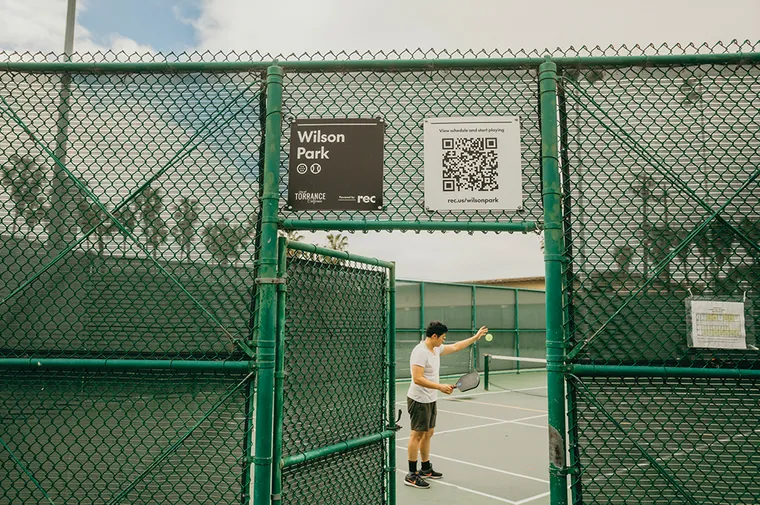
For years, summer camp registration in Torrance, Calif., was a dreaded annual event—with long in-person lines, frequent system crashes, and staff working more than 50 hours to manually input hundreds of programs. Facing rising costs and a resident-need for easier access, Rec helped Torrance shift to a mobile-first platform that allowed residents to register seamlessly online. The result was a complete transformation: more than 3,500 enrollments, over half via mobile, with fewer than 10 walk-ins on registration day, giving the staff time to finally focus on programming rather than troubleshooting.
“Once we switched summer camp registration to Rec, more than half of our enrollments went to mobile. We can now give residents the tech and service they expect in 2024 through a partner that is continually innovating and pushing us toward the next big thing,” says Garrett Craig, Recreation Manager, City of Torrance.
Choose Internal Champions Wisely
Modernization isn’t only a technology project—it’s a people project. Every department has staff members who are already comfortable with mobile apps, digital payments, or online scheduling. Recruit these individuals as internal champions. When early adopters lead the charge, they can pull the rest of the team along, highlighting benefits and troubleshooting challenges. Champions become the bridge between leadership, frontline staff, and residents. Without them, adoption slows and enthusiasm fades.
Innovation Isn’t Only About The Tool — It’s About The Transition
New tech is fun to buy, but hard to implement—and most projects fail not because of the tool but because of the rollout. Ask a third-party partner the tough questions: How does it handle data transfer, onboarding, and staff training? How will it help the department communicate with and educate residents throughout the transition, not only at launch? The best partners treat implementation as a shared journey, helping organizations build awareness and excitement along the way. If adoption stalls, the tool doesn’t matter.
If I could leave departments with one piece of advice, it’s this: start with mobile-first. From there, make sure leaders have confidence in the chosen partner, test and reiterate, and keep an ear to the ground on the latest advancements in the market—as well as the pain points residents and staff bring to the table. Recreation technology done right doesn’t only modernize systems—it builds stronger, more connected communities.