
Why non-electrical splash pads can make sense
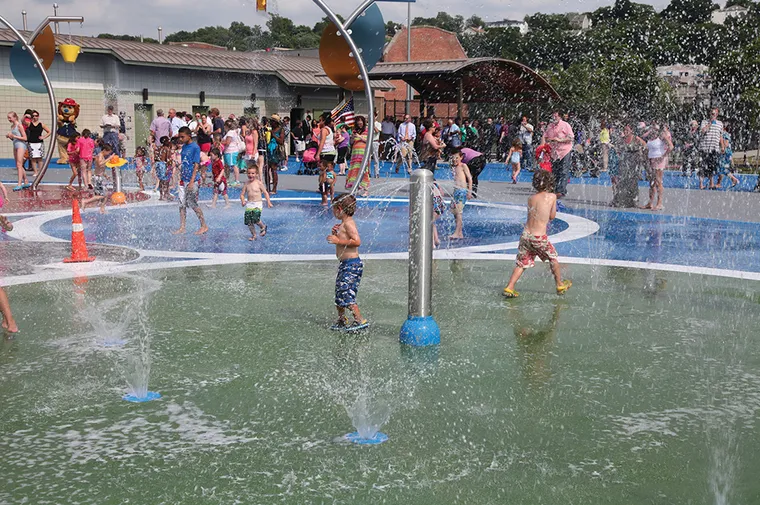
Over the years, splash pads have become an increasingly popular alternative to traditional pools for municipalities due to their inclusivity, reduced liability, and lower operating costs. Generally, splash pad systems fall into two categories: recirculating systems and spray-to-drain systems. Spray-to-drain splash pads are especially appealing for their simplicity, low maintenance requirements, and straightforward operation. Traditionally, these systems rely on an electrical connection to power the controller that turns the features on and off by opening and closing solenoid valves.
Non-electrical activators, however, take this simplicity even further. By allowing splash pads to be mechanically activated rather than electronically, they eliminate the need for electrical service at the splash pad, reducing both installation complexity and long-term maintenance demands. As municipal staffing continues to be stretched thin, the operational ease and reliability of non-electrical splash pad solutions are becoming more attractive to communities seeking low-overhead recreational amenities.
The Mechanics Of Non-electrical Splash Pads
The primary control component of non-electrical splash pads is a slow-closing, spring-loaded valve. When the activator is pushed, it opens the valve, allowing water to flow to the features. Once activated, the valve begins a controlled, gradual closure, shutting off the water to the splash pad after a predetermined duration. The closure time of the valve is adjustable, allowing the system’s runtime to be tailored to site-specific operational and water-use requirements. The time increments are commonly set between 30 seconds and 1 minute, which is generally sufficient for user enjoyment while limiting excessive water consumption and reducing wear on the system.