
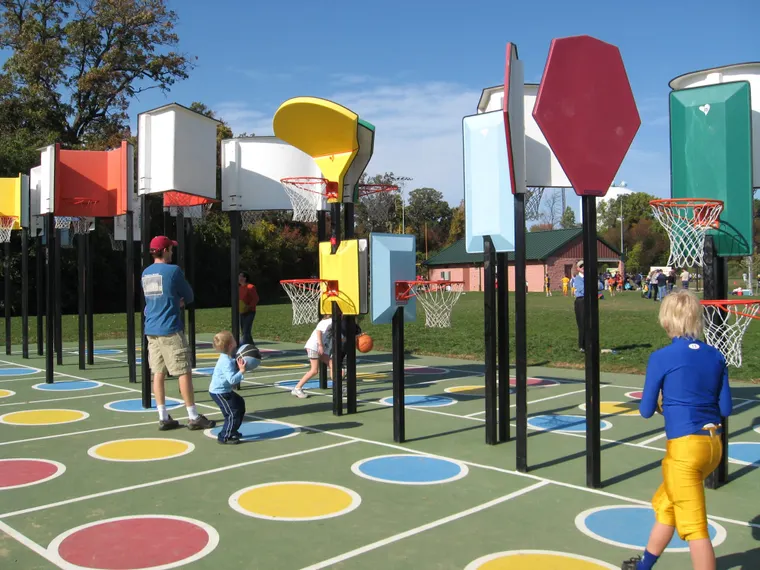

On the evidence of absence and the absence of evidence in our shared spaces
In the history lessons I absorbed as a student, one in particular was an important point that the absence of evidence is important evidence. Not solely in crime and political events, but in a book on the Bible and ancient texts that I researched and authored some years ago. I pointed out how archaeologists knew, in ancient Canaan, which homes were the homes of the Israelites and which were not by the absence of pig bones buried in their yards, in contrast to their non-Israelite Canaanite neighbors next door. “Next door” might mean the next village or the next group of homes, but the artifacts and detritus—and the lives the ancients lived—are now better understood by virtue of identifying the artifacts absent as well as in place (en situ) at an archeological dig. Absence informs.
In the world of recreation, absence is enormously important because it affects every community and many people. The absence of a sufficient number of facilities and amenities for families with differently able members constitutes a serious and ongoing deficiency. Larry’s two kids with autism walking through the parks in Montgomery County, Md., experience that lack: that non-existence. They have not a single drop-in, walk-on, family ball-playing opportunity. Unlike his friend and neighbors’ kids! The same-aged children next door, neighbors without autism, are provided with numerous ball-playing opportunities—drop-in, walk-on at no cost. There is, as well, a shortage of facilities that an intergenerational family can join in and participate together.