
Sound, connection, inclusion, and the power of music for ASD
As the conversation around inclusive design continues to evolve, so too does our understanding of how public spaces can better support neurodiverse communities. Inclusive and accessible design—now more commonly known as “Universal Design”—is today’s standard for anyone wanting to create community spaces. For individuals with Autism Spectrum Disorder (ASD), the environment plays a critical role in shaping experiences and impacting comfort, communication, and the ability to engage with others. Increasingly, designers and planners of community spaces and play areas are recognizing the value of sensory-rich, accessible environments that go beyond compliance and actively promote well-being. At the center of this dynamic is an often underutilized yet powerful tool: sound.
An Alternative Pathway
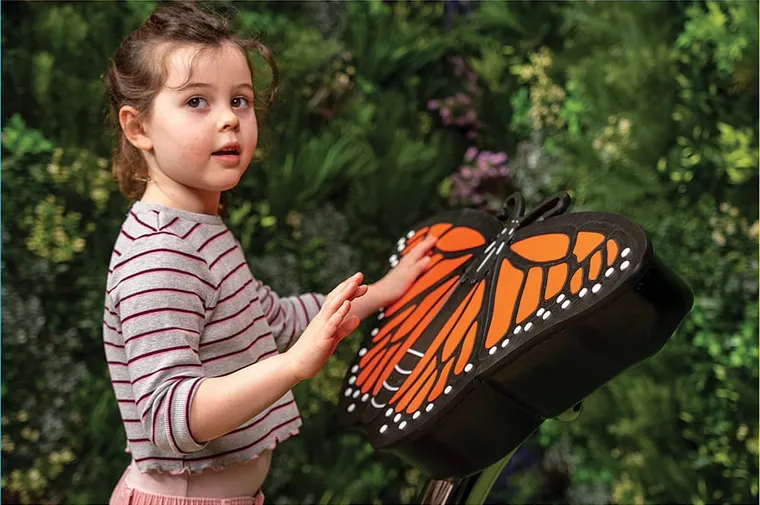
Through the thoughtful integration of outdoor musical instruments, companies like Percussion Play are helping to redefine what inclusive play and public space can look like. By focusing on sound, connection, and accessibility, environments are created where individuals with ASD, and indeed people of all abilities, can participate, express themselves, and feel a genuine sense of belonging.
Sound is one of the most immediate ways humans engage with the world. It requires no translation, no instruction, and no prior knowledge. For individuals with ASD, who may experience challenges with verbal communication or social interaction, music offers an alternative pathway, one that is intuitive and deeply personal.
Unlike structured activities that rely on rules or outcomes, musical play is inherently open-ended. There are no expectations, no right or wrong ways to participate. Designers at Percussion Play purposefully develop many instruments that are tuned to the pentatonic scale, so whichever way a person plays it, it sounds pleasing. This freedom to create with no rules is particularly important for neurodivergent users, allowing them to explore at their own pace and in a way that feels comfortable and self-directed.