
A non-negotiable way to manage aquatic activities at camp
There is no shortage of “glamour-guarding” in movies and on television. Toned and oiled models flirt, flex, and otherwise find entertaining ways to lose focus. Reality is far more serious and consequential.
True lifeguarding is an enormous responsibility that is both physically and mentally demanding. And although drowning is the second leading cause of unintentional injury deaths for children ages 0-17 years (behind motor vehicle accidents), it is a rare event. Fewer than 2 children in 100,000, or about 4,000 total children, die by drowning each year in the U.S.[1],[2] Yet even a single drowning death is tragic, traumatic, and can alter the lives of the adults and organizations involved. Therefore, effective lifeguarding is necessary, no matter the setting. Unfortunately, lifeguarding is a job rife with cruel paradoxes.
- Attention Paradox: Lifeguards must maintain their attention over shifts that last for many hours, but the human attentional capacity wanes after 10 to 30 minutes of uninterrupted surveillance.[3]
- Scanning Paradox: Lifeguards are trained to scan the water to spot distressed or drowning swimmers, but that optical target is a quick, quiet, low-frequency event, thereby introducing two serious risks to proficiency: boredom and distractibility.[4]
- Prevention Paradox: Lifeguards are typically required to surveil swimmers of diverse abilities, in changing numbers, and in dynamic settings (a complex task), but drowning risks can be identified and mitigated before any swimming has begun (a comparatively simple task).[5]
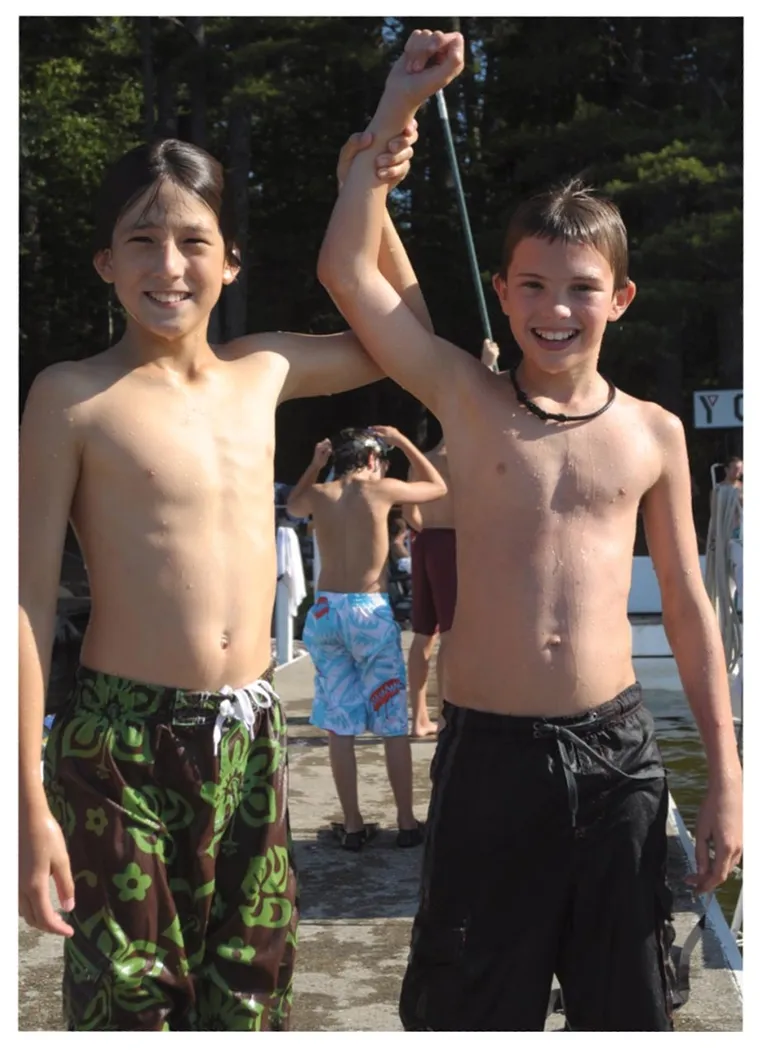
The Prevention Paradox may be the subject of a future article, but this article will focus on the Attention and Scanning paradoxes. These two paradoxes share a solution that is ignored with reckless frequency by many youth-serving organizations: swimming in buddy pairs. Once you understand what a buddy system is and what it is not, you’ll clearly see how it saves lives. Armed with a better understanding of their power to prevent drowning deaths, you can then make buddy systems as automatic as putting on seat belts.