
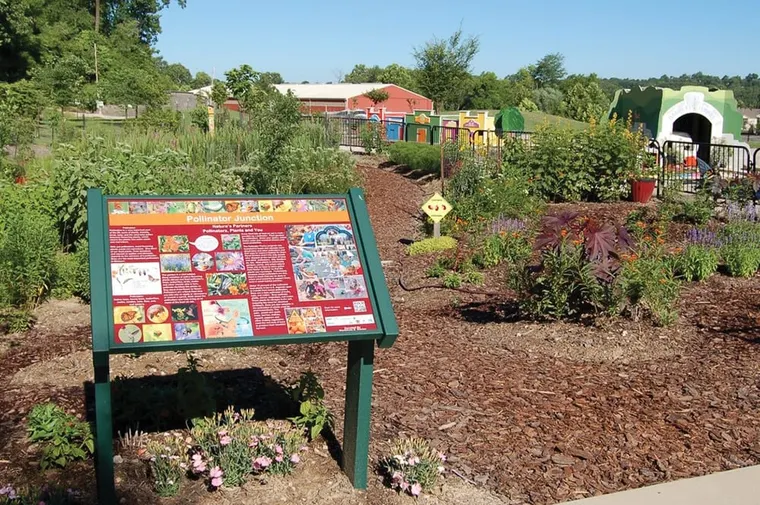
Creating a local movement and a feast for bees and butterflies
By Molly Olten
Pollinator populations are shrinking around the world. Invasive pests, exposure to pesticides and other chemicals, loss of habitat, loss of species, and changing climate have all contributed to the pollinators’ decline. Birds, bats, bees, butterflies, and other pollinators are in trouble.
Pollinators provide more than just honey. They help bring us one out of every three bites of food we take and pollinate billions of dollars’ worth of crops annually. We have pollinators to thank for vegetables, fruits, nuts, and many other foods. In short, if they don’t eat, we don’t eat.
A Million Gardens
To slow the decline, many pollinator initiatives were developed on national and local levels. In 2015, the National Pollinator Garden Network launched the Million Pollinator Garden Challenge to inspire people and organizations to create more pollinator habitats and increase nectar- and pollen-providing landscapes of every size.
Taking this cue from the national movement, St. Louis County Parks and the St. Louis County Parks Foundation took on this challenge and expanded it to create a local effort in the area, partnering with the Missouri Botanical Garden, St. Louis County Library system, Missouri Department of Conservation, University of Missouri Extension, nonprofit organizations, and local garden centers. From this collaboration, Project Pollinator and Pollinator Pantry were created. The official launch was held in March 2016 at the Sophia M. Sachs Butterfly House. In attendance were the St. Louis County Executive and other local leaders to drive home the region’s commitment to pollinators.
Both Pollinator Pantry and Project Pollinator are dedicated to protecting habitats with the mission to promote an appreciation of all pollinators through education and creation of pollinator gardens.