
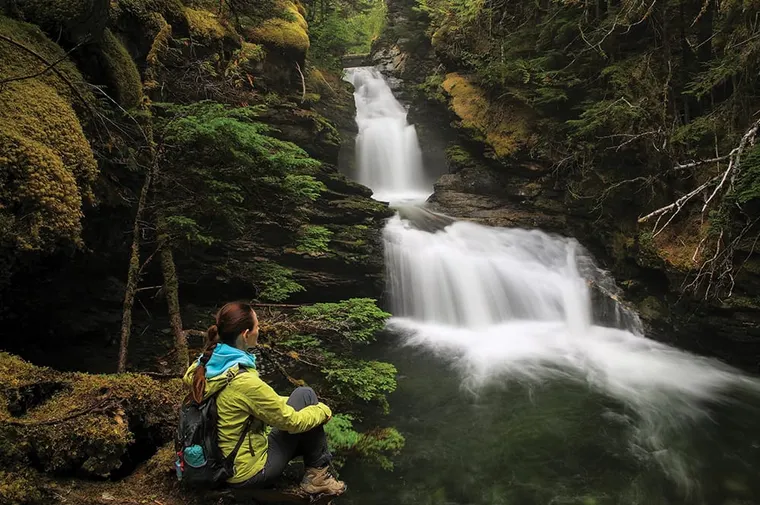
An approach to wilderness-therapy programs
By Dave Stant
Any life is empty without good memories. Past successes tend to represent an individual’s happiest times. On the other hand, sadness lingers and incites emotional unpredictability and uncertainty. However, the good news is that anyone can reshape his or her existence and state of mind by shifting the balance of memories from negative to positive.
In many ways, memories are an individual’s strength; although we have little control of experiences while we are very young, adolescence presents many unique and interesting opportunities. Therefore, the question becomes: What do I like to do, and how does it make me feel? This seems simple, but being thrilled about an experience is about as unpredictable as our own minds. The two go hand in hand. To an extent, state of mind dictates how much we will enjoy something.
A New Tool
In this vein, I have developed a model for recreation programming that is particularly useful in the development and implementation of wilderness-therapy programs. Called the self-concept model, the premise is that activities can be used to improve a person’s view of self. This, in turn, leads to the individual building self-confidence and becoming happier with life in general.
The purpose of this program is to separate youth from negative influences and place them in environments that are safe and support growth. Students are not merely thrown into the wilderness and made to suffer hardships; rather, they are encouraged, challenged, and given every opportunity to succeed in activities that are necessary, natural, or reasonable. Adolescents form bonds with each other, field staff members, and therapists while they endure adversity in overcoming natural challenges.