
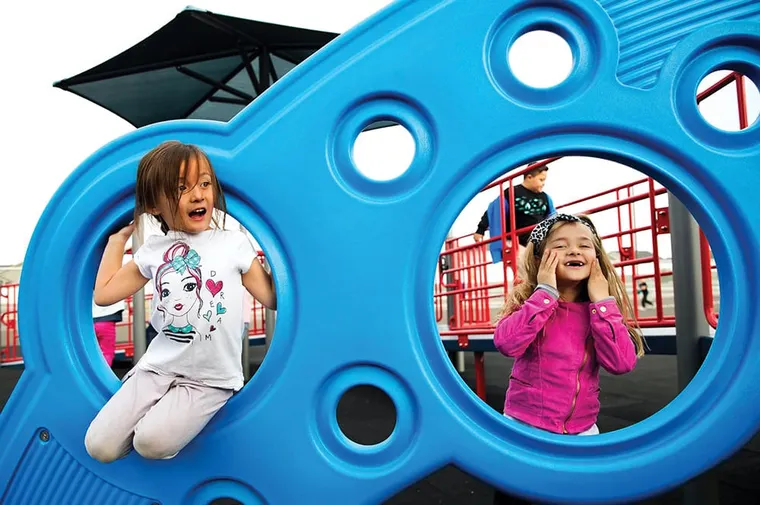
Play is how we find each other again
By Kent Callison
Connection does not have to be complicated. Children understand this, but many adults forget. Play is often treated as kids’ business. It’s something we do early in life, then politely retire once calendars fill up and someone starts saying words like “bandwidth” and “synergy” with a straight face. But play was never meant to be left behind. It is one of the most natural ways human beings connect, communicate, recharge, and belong.
Where Do You Belong?
My best friend recently asked me, “What group of people makes you feel like you belong?”
I had to stop and think about that. Obviously, my family came to mind first. And there are other communities and groups I associate with, but the truth is, I travel a lot and meet new people all the time. Some days, I spend more time with strangers than with people I know.
So, I asked myself another question: When was the last time you felt completely at ease with someone you didn’t know?
I’m not talking about feeling polite. Or professional. Or some form of “let’s circle back next week.”
Just easy.
For most of us, that doesn’t happen very often anymore.
Sometimes Difference Equals Distance
We live alongside billions of people with different backgrounds, beliefs, experiences, and perspectives. Diversity is a strength. It makes communities richer, smarter, and more interesting.
But difference can also create distance.
It isn’t always obvious, and it’s seldom intentional. But in small, everyday ways, it adds up. And when the space grows, we lose connection.
We become more self-conscious. We prioritize being good at things over enjoying them. We replace spontaneous fun with productivity and filter ourselves instead of freely engaging with others.
Over time, connection starts to feel harder than it should. We stop expecting it, and eventually, we stop trying.
I know what you’re thinking. “Well, thanks. What a bummer. I feel better already.”
Stay with me. There’s a way back.