
Re-prioritizing and re-evaluating
“When should we start youth sports again?” “What are other communities doing?” “Is it safe?”
As the COVID-19 pandemic lingered through the summer, these were some of the endless questions my colleagues and I fielded daily from youth-sports administrators across the country and on military bases around the world. Our answers were consistent: follow the CDC recommendations and be aware of local community decisions and restrictions. We also made every effort to keep our digital information as up-to-date as possible. For recreation professionals overseeing youth programs, that general message of patience and safety seemed to hit home. But we began to see signs that the idea of opening youth sports meant something different to other kinds of groups running sports programs.
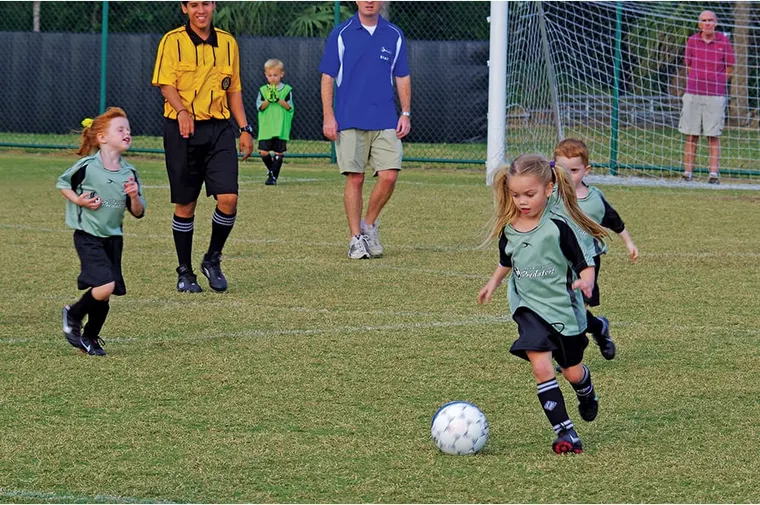
When I am asked what the biggest issues in youth sports are in the 30-plus years I have been involved with NAYS, my usual response revolves around the concept of stakes, or what is perceived to be on the line. For many years, the transition in youth sports went from recreational play in organized leagues to more competitive play in school, starting with middle school and ending with intense, competitive play at the high-school level. Almost all the sports were structured that way. But, wow, how things have changed. If children are serious about baseball or softball today, a travel team is almost mandatory. If it’s basketball, the players better be on an AAU team. If it’s soccer or volleyball, what club do they belong to? It seems the only sport that has remained with the old model is football, where it’s still mostly recreational leagues and then on to school programs.