
Smarts and courage lead the way
By Michael A. Mulvaney and Jamie Sabbach
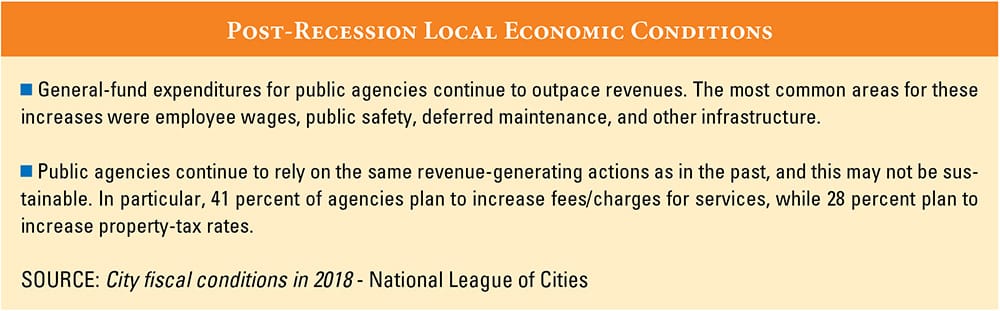
Nearly 10 years later, many public park and recreation agencies are still feeling the effects of the Great Recession. While other sectors have experienced significant growth during the years following the recession, many public park and recreation agencies were not as fortunate, and recovery for these agencies has been, and continues to be, slow. Issues such as agency restructuring, “right” sizing, “down” sizing, “cross” sizing, deferred maintenance backlogs, green initiatives, enterprise vs. public good service provision, and improved efficiency efforts intensify and continue to influence agency planning and operations. In an effort to assist park and recreation leaders to innovatively manage these conditions, a four-day Altruism Institute was held in Boulder, Colo., where some of the most distinguished public park and recreation professionals from across the U.S. were invited to discuss trends and issues facing the field while identifying ways to be socially, fiscally, and environmentally responsible through smart and courageous leadership, planning, and decision-making. The immersive institute was organized around two predominant themes—being smarter and being courageous in addressing the opportunities and challenges facing the field. This article provides a summary of those discussions and outcomes.
Being Smarter
Experts—within and outside the industry—facilitated discussions with industry professionals on the value of being informed and responsible leaders. Among other topics, contemporary research and best practices were discussed, and professionals were charged with reflecting on how they could use this information to become more efficient and effective service providers. Key findings that emerged from these discussions include:
- Current research by Pitas, Barrett, Mowen, & Roth (2018) suggests public park and recreation facilities, parks, and programs continue to be widely utilized assets while providing an increasing number of positive outcomes for residents and their communities.
- Data from the U.S. Census Bureau’s state and local government finances survey indicate funding for park and recreation services has declined more significantly since 2008 than any other public service.
- From 2000 to 2014, a total of 42,212 new jobs were added in public parks and recreation. However, closer inspection of this increase indicates 45,382 part-time jobs were added during this time while 3,170 full-time jobs were actually eliminated (45,382 – 3,170 = 42,212 new jobs).
- Over 95 percent of local officials use and value their community’s parks and recreation services. These officials view that the primary roles of parks and recreation agencies are to “enhance quality of life” and “prevent youth crime.” Officials believe the most important funding needs for park and recreation agencies should be “maintaining existing services, trails, and programming,” while “hiring new staff” is viewed as the least important.
- Local officials rank parks and recreation as the least critical public service in their communities.