
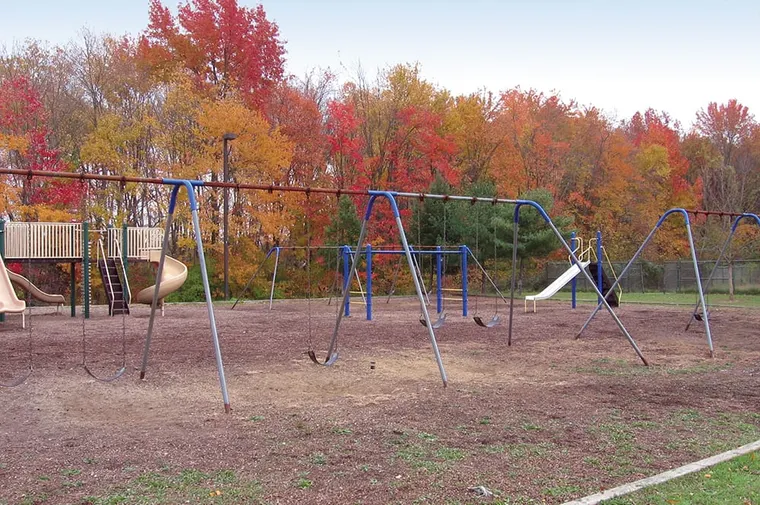
How to use one and how to become one
By Tom Bowler
Approximately one-quarter million children are injured each year on playgrounds. Not all of these injuries go to litigation, but how well prepared are you to defend a case? Do you keep weekly, monthly, and yearly records? Is there an in-house Certified Playground Safety Inspector (CPSI)? If not, do you retain a CPSI periodically to inspect equipment? By doing this, your case will have more credibility in a court of law. Have you read the most recent American Society for Testing and Materials International’s F-1487-17 standard entitled, “Standard Consumer Safety Performance Specification for Playground Equipment for Public Use”? Have you reviewed recently the U.S. Consumer Product Safety Commission’s Public Playground Safety Handbook?
Playground Injuries
Playground injuries are very common on specific equipment:
- Climbers
- Swings
- Slides
- Overhead ladders.
Children falling on a playground surface account for many of these injuries. Hopefully, industry professionals are informed that grass, dirt, and macadam surfaces are not appropriate landing and protective surfaces for children. Loose-fill materials, poured-in-place materials, and rubber tiles can offer protection, depending on their depth and whether they comply with the attenuation standards in the field.
Signage is a key for play areas:
- Hours of operation
- Appropriate ages for using equipment
- Requirement of supervision.
I am reminded of a case from years ago when a township posted a sign indicating the playground hours of operation. Unfortunately, the time for closure in winter was listed incorrectly as 7:30 p.m. (Eastern Standard Time), which was beyond darkness. If the time had been posted correctly as 6:00 p.m., the plaintiff would have been a trespasser, and the case may very well have been dismissed.