
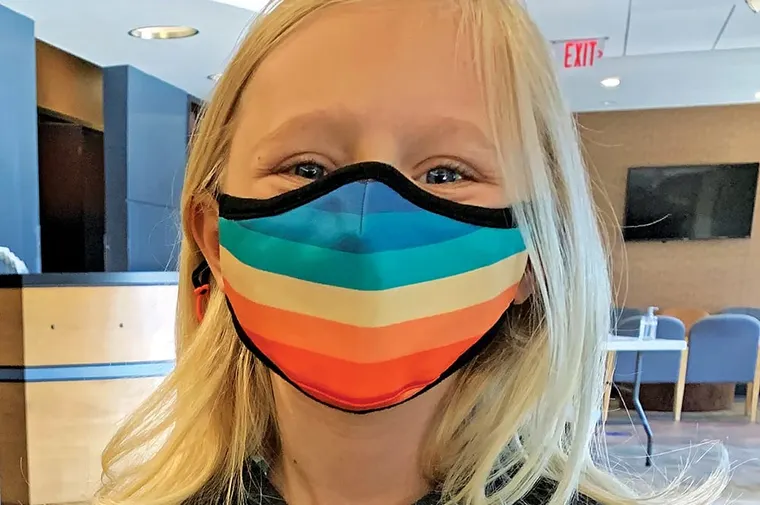
Learning how to communicate more effectively when your face is hidden
By Gail Johnson
In March 2020, I was going about business as usual and looking forward to spring conferences. Then suddenly, out of nowhere, a pandemic arrived, changing my work life (and probably yours), maybe forever. We were instantly taken from comfortable, predictable days and plummeted into new scenarios in every aspect of our professional and personal lives.
Many of us are working from home, attending virtual meetings, creating virtual programming, and making public spaces as safe as possible with the information we’ve been given. We are shopping in grocery stores with considerable angst, taking in the mail as if there was Anthrax on each envelope, and then on top of everything else—we find ourselves in an unbelievable reality: we are suddenly masked!
A Form Of Disguise
I started to notice a shift in the behavior of other people and me when we donned masks in public. We were quieter, and one might even say we were (or felt) hidden. I wondered why and did a little digging into the history of masks.
It turns out that, throughout history, masks have been a form of disguise. Terms like “outlaw,” “burglar,” and “bandit” conjure images of masked people wanting to do harm in the world. Superheroes disguise their real personas via masks, wanting to do good in the world. Theater, ritual, and Halloween also find us masked to disguise our true selves. Now—masks are a form of protection for not only ourselves but also residents, members, and guests. Masks are even a symbol of respect for those who come into facilities, participate in programs, and use the amenities.