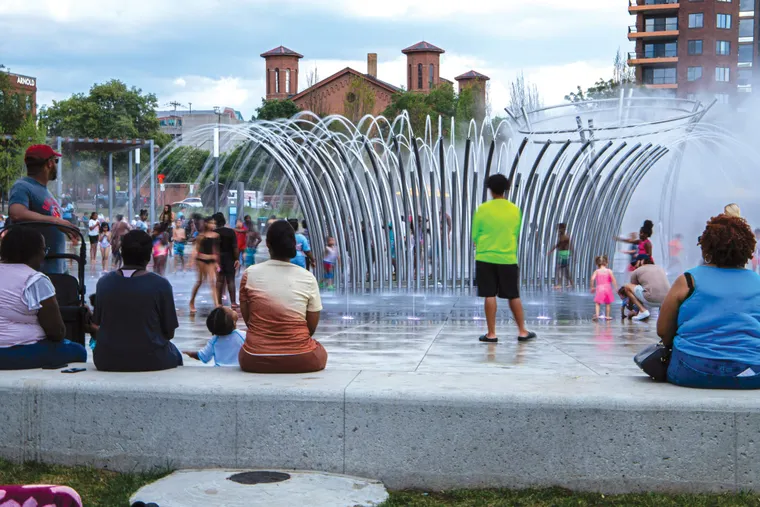
A couple years ago, in my Editor’s Note to introduce the Waterparks issue, I examined how lots of local facilities were going all in on adventure amenities to compete with larger venues. It wasn’t only about flash or trendiness; the upgrades were meant to provide a more memorable experience for visitors—down the street, instead of two states away. And certainly, in many places, this is still the case. (Economic headwinds might also help convince residents to splash around locally instead of traveling.)
But in this year’s stories, I see a different throughline—one that has more in common with our Sustainability issue than previous installments of our Waterparks edition.
New aquatic centers have been designed to promote everyday use and support multipurpose functions. Small, cost-efficient enhancements have improved operational efficiency and environmental impact at municipal splash pads. Land redevelopment projects have repurposed former industrial sites in one state while connecting fragmented communities in another.
In all of this month’s reporting, I see a desire to provide richer, higher-quality public spaces for residents, be it a local waterpark, splash pad, or rec center. And this extends to greenspaces, too. From concept to construction to grand opening, each facility or initiative is better than before. Sometimes bigger, but not always. Size isn’t the goal here, nor is it a measure of a project’s success.
This spirit flows through our camp stories as well, all of which offer fun, fresh ideas to provide a more enriching summer for youth participants. Come to think of it, maybe camp is the best example of how to build on traditions and existing infrastructure in meaningful ways, focusing not on scale but on value. When it’s time to refresh camp programming, directors and staff members introduce new complexity to old games or revise policies for longstanding practices, all along ensuring that they never lose sight of a program’s original purpose.
Sure, bigger can be better (e.g., newer, safer, more accessible and inclusive, etc.). But we don’t always need to go big to achieve a better result. Quite often, especially in times of budget constraints, we just need to view what we already have through a new lens. Let this month’s package of stories be that reminder—even tiny fixes can yield massive improvements.