When cleaning does more harm than good
By Doug Gatlin
Last year, the National Recreation and Park Association published a set of guidelines to help park and recreation professionals recover from the pandemic, safely reopen their doors, and welcome children—and their parents—back to their facilities. Their guidance, which focused on proper cleaning and disinfecting, was based on a “reopening” program created by the Centers for Disease Control and Prevention in April 2020. 1
The key points made, which can apply to camps, schools, workplaces, and public spaces, include the following:
· Determine what needs to be cleaned.
· Clean visibly soiled surfaces.
· Consider what resources, supplies, and equipment will be required.
· Follow directions on the label when using cleaning products.
· Determine what needs to be disinfected, including hard surfaces, soft surfaces, and frequently touched surfaces.
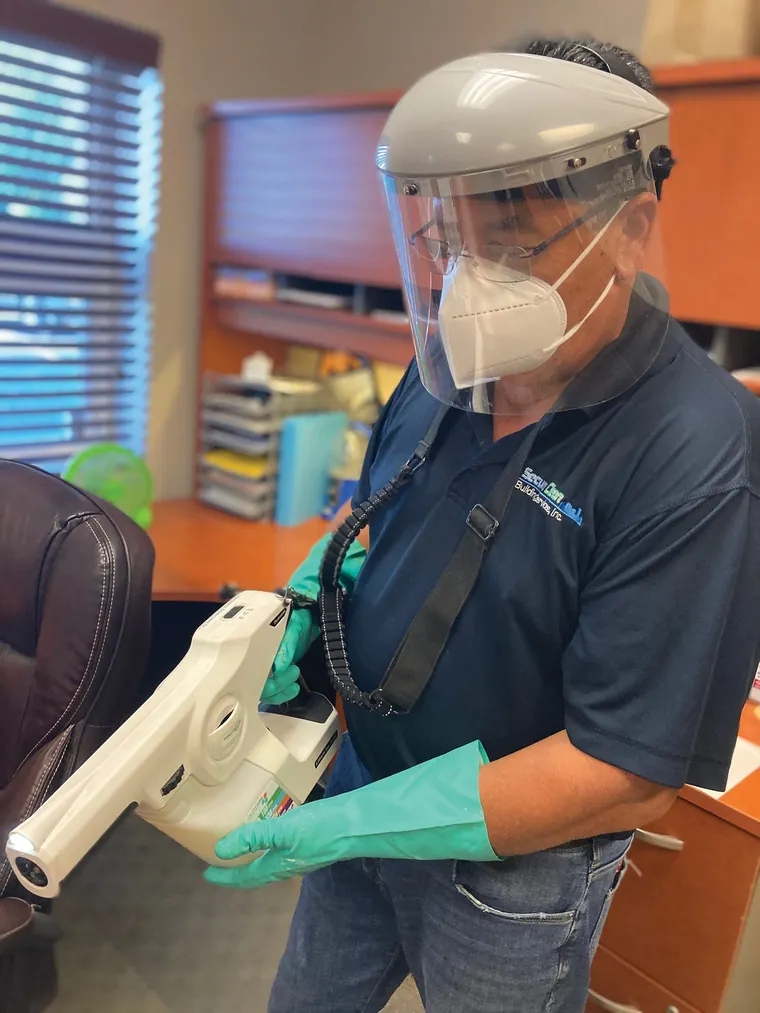
All these points are valid. However, the last one, “determine what needs to be disinfected,” has become a major concern for public-health advocates and many in the professional cleaning industry.
The issue is that, instead of determining what needs to be disinfected and using disinfectants only when necessary and appropriate, disinfectants are being used almost everywhere due to concerns about the virus. The concern has become so commonplace and widespread in all types of locations that it now even has a name: indiscriminate disinfecting.