
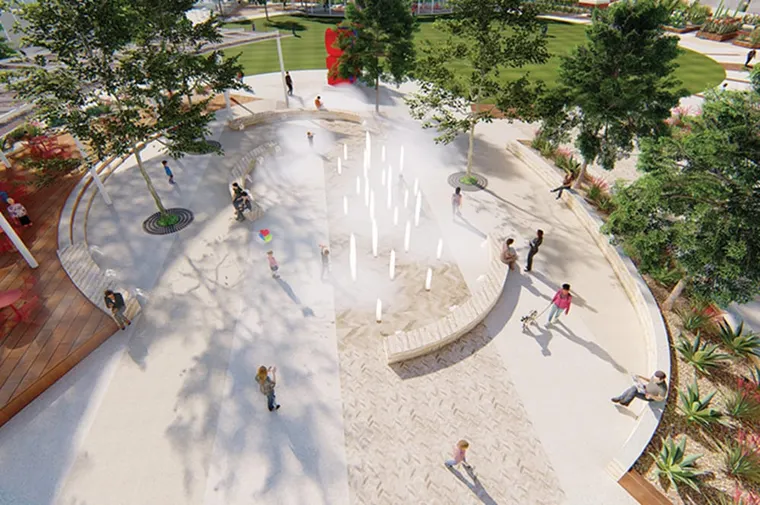
Deciding what stays and what goes is a vital first step
By Chad Atterbury and Brandon Sobiech
For those people who work in parks, there are few things sadder than to see a run-down, forgotten park—especially knowing what a great one can do for a community. Thankfully, as cities expand and mature communities begin to reinvest in older neighborhoods, there is increasing interest in reviving aging park infrastructure.
That dynamic has only been exaggerated by the pandemic. Outdoor recreational usage increased from 30 percent to 165 percent nationwide since March 2020, according to a recent report from The Trust for Public Land.
But what people discovered is that many older parks are inadequate to support the recreational needs and interests of today’s residents. A park built in 1980 is now over 40 years old and likely in need of a serious tune-up.
To create successful, authentic community spaces, it’s vital to understand how to overcome the challenges inherent with older parks and figure out how to capitalize on opportunities these parks provide.
Over the course of this series of articles, the team at landscape architecture, urban planning and design firm Dig Studio will examine three key ways of undertaking a successful revamp of park infrastructure:
· The physical
· The natural
· The social.