How the addition of the Adventist Health Amphitheater transformed Tulare’s Zumwalt Park and revitalized a community
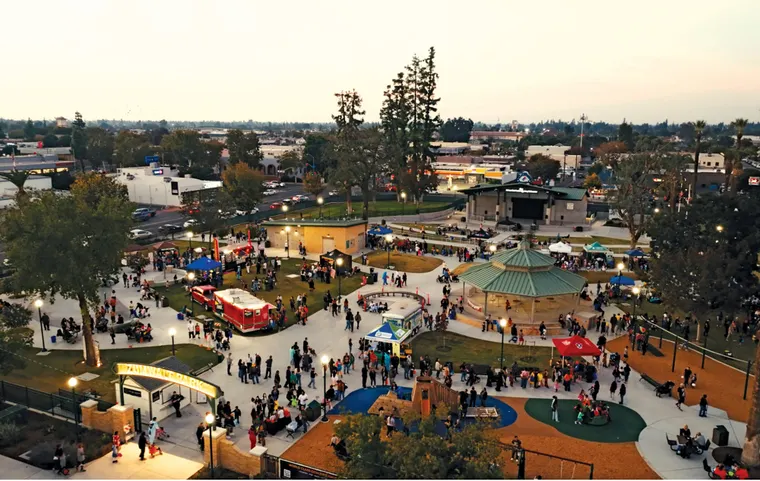
The renovation of Zumwalt Park (Tulare, Calif.) has transformed a once underused greenspace into a central hub for entertainment, recreation, and economic revitalization. The addition of the Adventist Health Amphitheater provides a space for world-class, live concerts and community celebrations. The park serves as a cornerstone of the city's Downtown Master Plan, drawing 35,000 to 50,000 visitors annually. Local businesses have reported increased sales, indicating a significant boost to the local economy. New features include a custom-designed playground, a zipline, and a splash pad with integrated misters and colored lighting for summer cooling. The park offers free events to promote public wellness and connection, such as Yoga, Cross-Training, Tai Chi, and Folklorico dance lessons. Its inclusive design includes ADA-accessible restroom upgrades, an ADA-accessible playground, and walkable paths to ensure the space is accessible to all residents. Beyond concerts, the park hosts movie nights, car shows, holiday celebrations, and nonprofit events.
Project And Planning Process
One of the purposes of the Zumwalt Park renovation was to increase the recreational, economic, and revitalization landscape of downtown Tulare. Without it, the city would miss out on significant tourism-driven revenue from hotel, sales, and gas taxes. The City of Tulare views the amphitheater as a catalyst for new businesses, such as restaurants, ice cream shops, and art studios, designed to serve crowds from the concert series. The venue hosts 10-12 major concerts annually and up to 30 total events, including Christmas celebrations and school plays. Without it, residents would have fewer local opportunities for live entertainment and holiday traditions. Zumwalt Park addressed underserved and vulnerable populations through free community programming, inclusive recreational facilities, and integrated health services. Beyond paid concerts, the venue hosts free events designed for broad accessibility, including "free concerts in the park" featuring regional talent, free yoga, CrossFit, and line dancing classes. It also provides space for non-profit events and school productions. The project revitalized Zumwalt Park with the addition of a new playground and a splash pad, providing free, outdoor-recreation options for local families. The facility is designed for full physical inclusion, featuring wheelchair-accessible entrances, parking, and restrooms.
Adventist Health uses the space to host health-oriented events. These include "well-being and health programming," developed in partnership with city leadership to promote preventative medicine. The naming rights agreement specifically supports the city's community engagement efforts and philanthropy, reinforcing Adventist Health's broader mission to address social needs like those of the homeless, youth, poor, or underserved.
The implementation of the Zumwalt Park renovation ensured the involvement of diverse community partners and perspectives through strategic private-public partnerships and a community-centered planning approach. The project was anchored in the award-winning Downtown Master Plan, developed through a community-centered process focused on five strategies: entertain, play, live, work, and eat. To ensure the park serves diverse needs, the city implemented varied free programming beyond commercial concerts, including health and wellness classes, education and arts programs, and family amenities, which included a splash pad and a custom-designed playground to cater to different age groups.