
When it comes to fall maintenance, winterization tasks lay the foundation for resident safety, cost savings, and unexpected moments of joy
At first blush, winterization doesn’t seem as cumbersome as other fall-maintenance tasks like leaf removal. Park visitors, too, may not think much of it beyond the inconvenience of a few closed restrooms. But behind those locked doors is a massive effort to prep parks, facilities, and buildings for the winter ahead.
For starters, water shutoffs can be highly detailed, with multiple complex steps.
“We shut off the water, open all the drain valves, remove the caps and diaphragms from the flush valves, disconnect the fill lines to sinks, and blow air through the system,” says Chuck Thomas, Public Services Facility Manger for the city of West Des Moines, Iowa. The process also includes removing backflow preventers, pulling water meters, plunging toilets and drains, and applying RV antifreeze to avoid sewer gas problems.
But to tackle these familiar duties, departments must have the right tools, like appropriately sized air compressors to properly blow out the lines.
“Another thing to note is that valves can fail, and a leaky valve that has tiny drops leaking can fill a whole system over winter and create many devastating issues,” says Chris Lindgren, Superintendent of Parks & Planning for the Park District of Oak Park, Ill. This makes opening up connections and disassembling water mains crucial parts of winterization.
Lindgren stresses that facilities need to be routinely inspected throughout winter to spot leaks before it’s too late. “Winterization is such an important task that must be done right,” he adds, “because it can quickly cost your agency thousands and thousands of unbudgeted dollars if you break lines.”
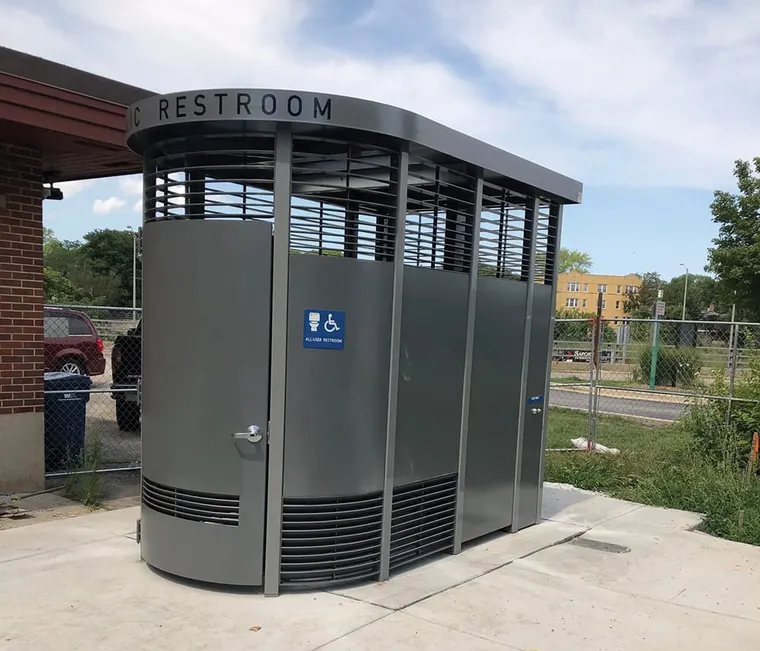
There are instances where some bathrooms and facilities remain in use during the season. In Oak Park, Lindgren’s department recently installed a standalone restroom that constantly circulates hot water and antifreeze through the toilet and that has heat tape on all exposed lines. There are also some other heated facilities in the area that remain open year-round but close to the public when temperatures drop below 10 degrees. In the city of Urbandale, Iowa, Assistant Director of Parks and Recreation Scott Hock says the department maintains portable restrooms at popular spots like trailheads, because they can withstand the cold.
But as involved as bathroom closures and water shutoffs can be, they’re just one step of many as departments gear up for cold weather.
“It’s fun because you blow out irrigation lines and the water spouts and all that stuff,” says Hock. “[But] that’s not even the full part of the prep.”